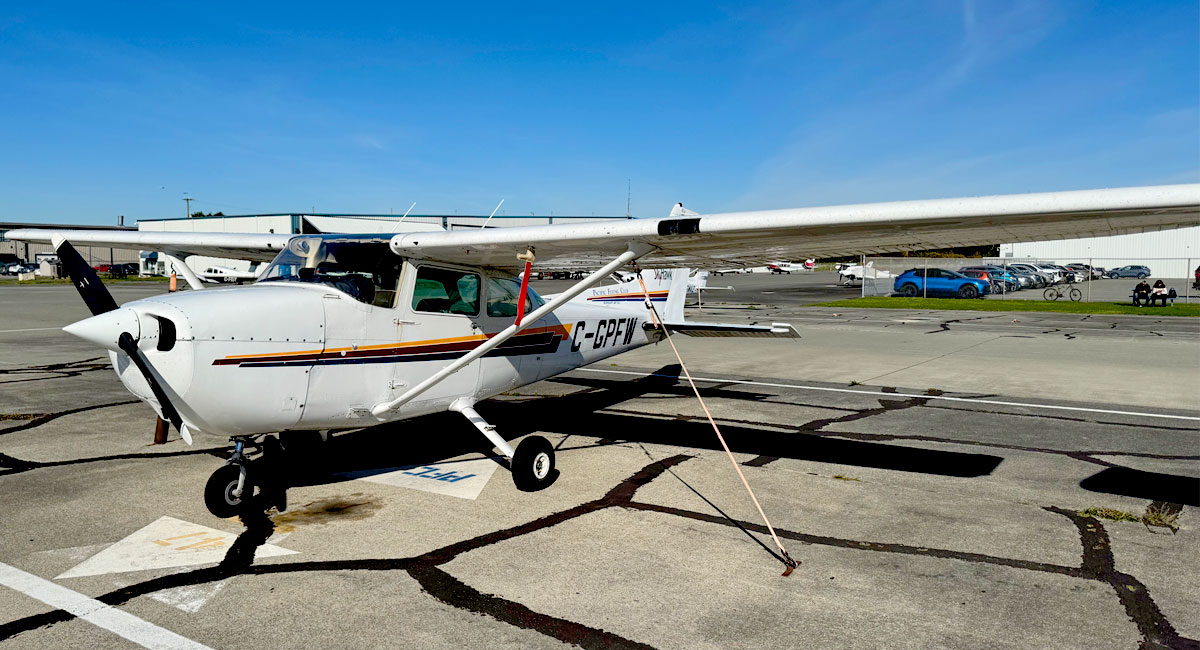
Why Weather Delays in Flight Training Help You Become a Better Pilot
Every student pilot faces weather delays in training, often sooner than expected. You plan your day around the lesson, arrive ready, and check the weather
Image courtesy of garmin.com
In the world of aviation, where precision and reliability are paramount, Garmin has emerged as a trusted leader in avionics technology. For decades, Garmin has been revolutionizing navigation in the cockpit, transforming how pilots interact with their aircraft and enhancing flight safety, efficiency, and enjoyment. From intuitive glass cockpit systems to cutting-edge GPS and communication devices, Garmin continues to set new standards in avionics innovation.
Founded in 1989 by Gary Burrell and Min Kao, Garmin initially focused on creating GPS devices for marine and automotive markets. By the mid-1990s, the company ventured into aviation, recognizing the potential of GPS technology to revolutionize flight navigation. Garmin’s first aviation product, the GPS 155 TSO, set the stage for a legacy of innovation that now includes a comprehensive range of avionics solutions for general aviation, commercial, and experimental aircraft.
One of Garmin’s most transformative contributions to aviation is its glass cockpit systems, particularly the G1000 and G3000 series. These integrated flight decks replace traditional analog gauges with high-resolution digital displays, offering pilots a wealth of information at their fingertips. Here’s what makes these systems game-changing:
Garmin’s avionics are packed with innovative features that make flying safer and more efficient:
Garmin’s commitment to safety is evident in features like:
As aviation evolves, Garmin continues to push the boundaries of what’s possible. The company is actively exploring technologies like artificial intelligence and machine learning to enhance cockpit automation and decision support further. Additionally, Garmin’s focus on sustainability includes innovations to improve fuel efficiency and support the transition to electric and hybrid-electric propulsion systems.
The popularity of Garmin avionics among pilots can be attributed to several factors:
Garmin’s impact on aviation cannot be overstated. By continuously innovating and delivering cutting-edge avionics solutions, the company has transformed the cockpit experience and set new benchmarks for safety, efficiency, and convenience. Whether you’re a student pilot flying a trainer equipped with a G1000 or a seasoned aviator relying on advanced autopilot systems, Garmin’s technology is shaping the future of flight. With their unwavering commitment to innovation, Garmin ensures that the skies remain safer and more accessible for all who take to the air.
Pacific Flying Club’s fleet includes two glass cockpit training aircraft (G-BUD; F-CAP) equipped with G1000 Garmin avionics. In addition, all Cessna 172s are equipped with Garmin 650 or G5 avionics suites.
Climb aboard this unique experience; you can book a 30-minute Introductory Flying Lesson with one of our qualified Flight Instructors and discover what flying is all about! Click for more info!

Every student pilot faces weather delays in training, often sooner than expected. You plan your day around the lesson, arrive ready, and check the weather

Piper PA-34 Seneca at Boundary Bay Airport. The Day Flying Stopped Feeling Casual Let me tell you something most pilots don’t usually talk about. The
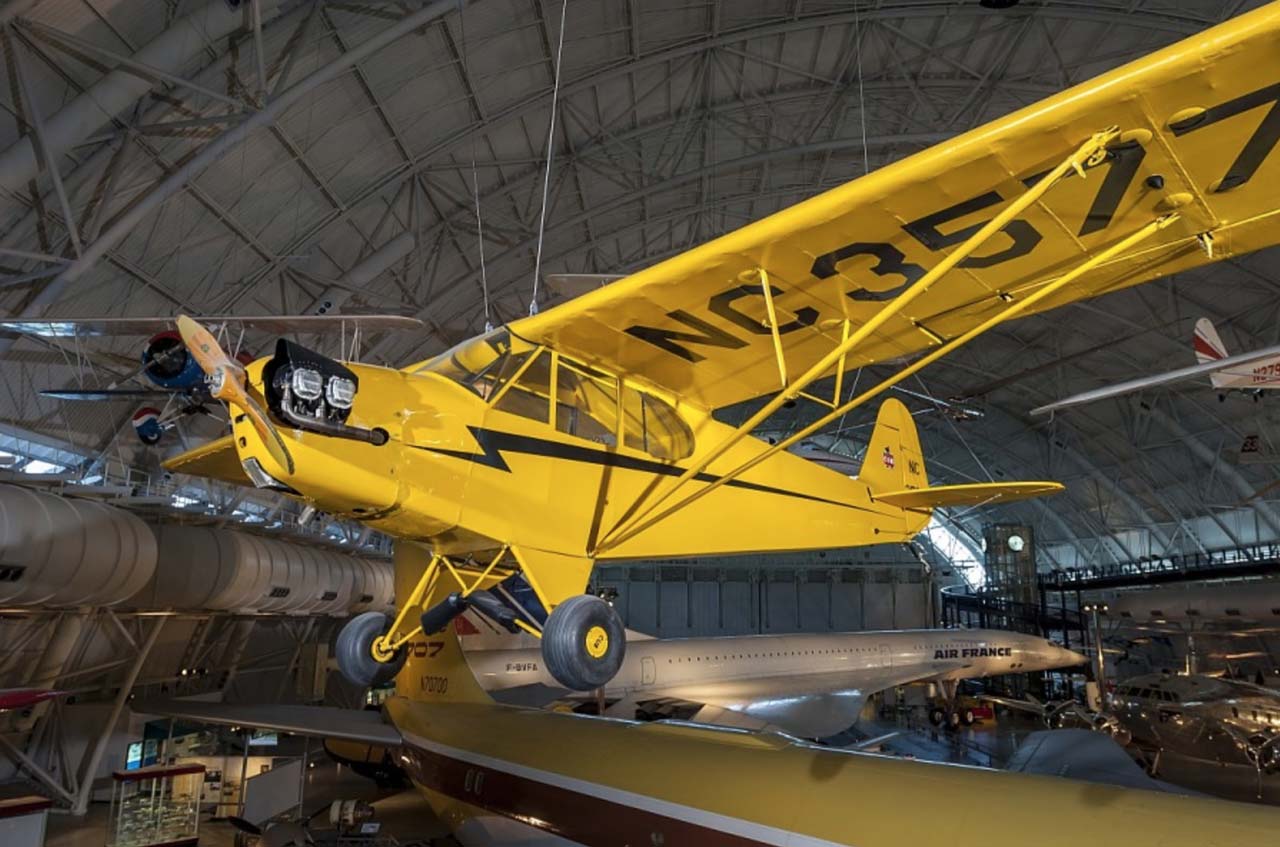
Piper J-3 Cub: distinctive yellow, high-wing light monoplane with tailwheel; trainer and sport aviation; Continental A-65, 65 hp engine. Photo courtesy of National Air and

Photo of Clayoquot Sound by Jordan Giesbrecht courtesy of Tourism Tofino. Scenic Flights in North America offer more than just impressive views — they offer
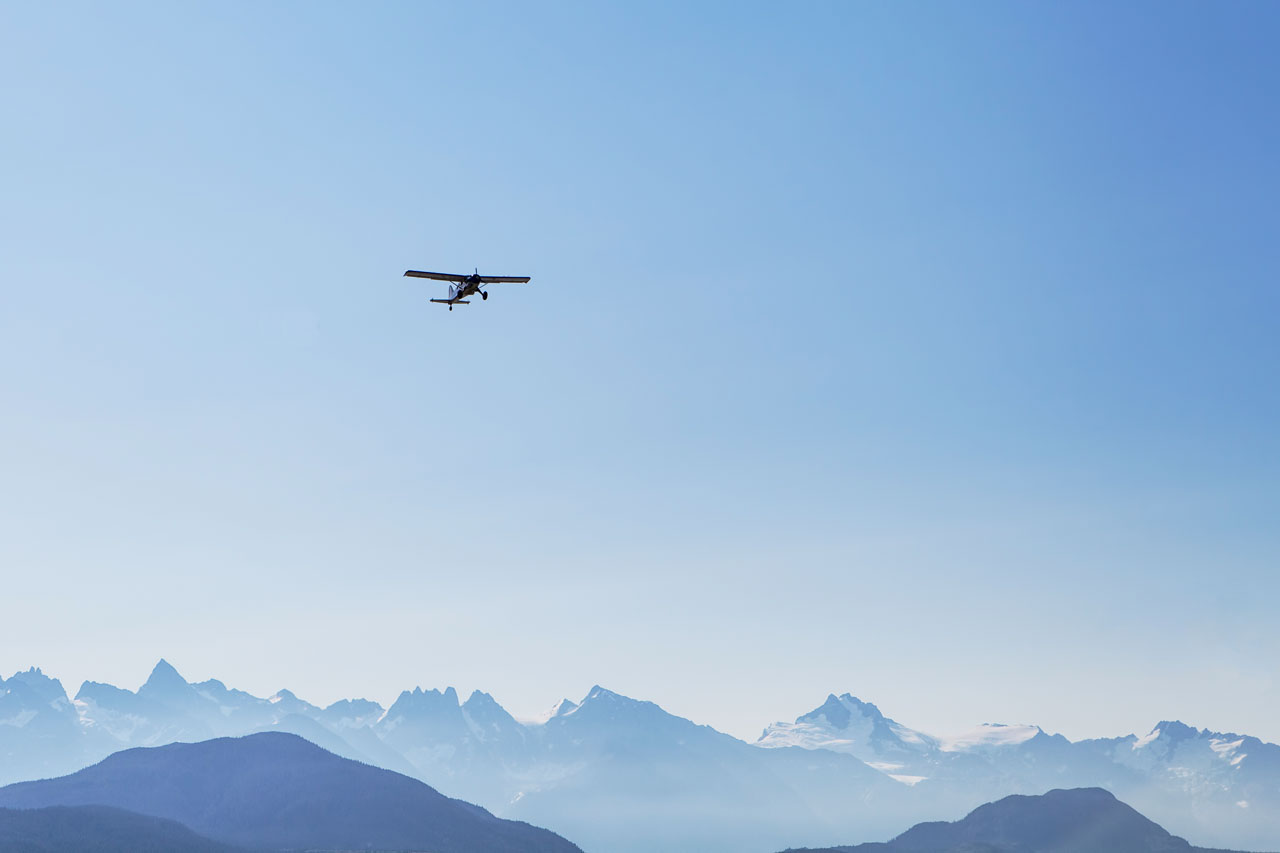
You lift off from a small airport, climb above the trees, and head toward the mountains. Below, rivers wind through thick forests, and narrow gravel