The Evolution of General Aviation Aircraft: What’s Changed Over the Years?

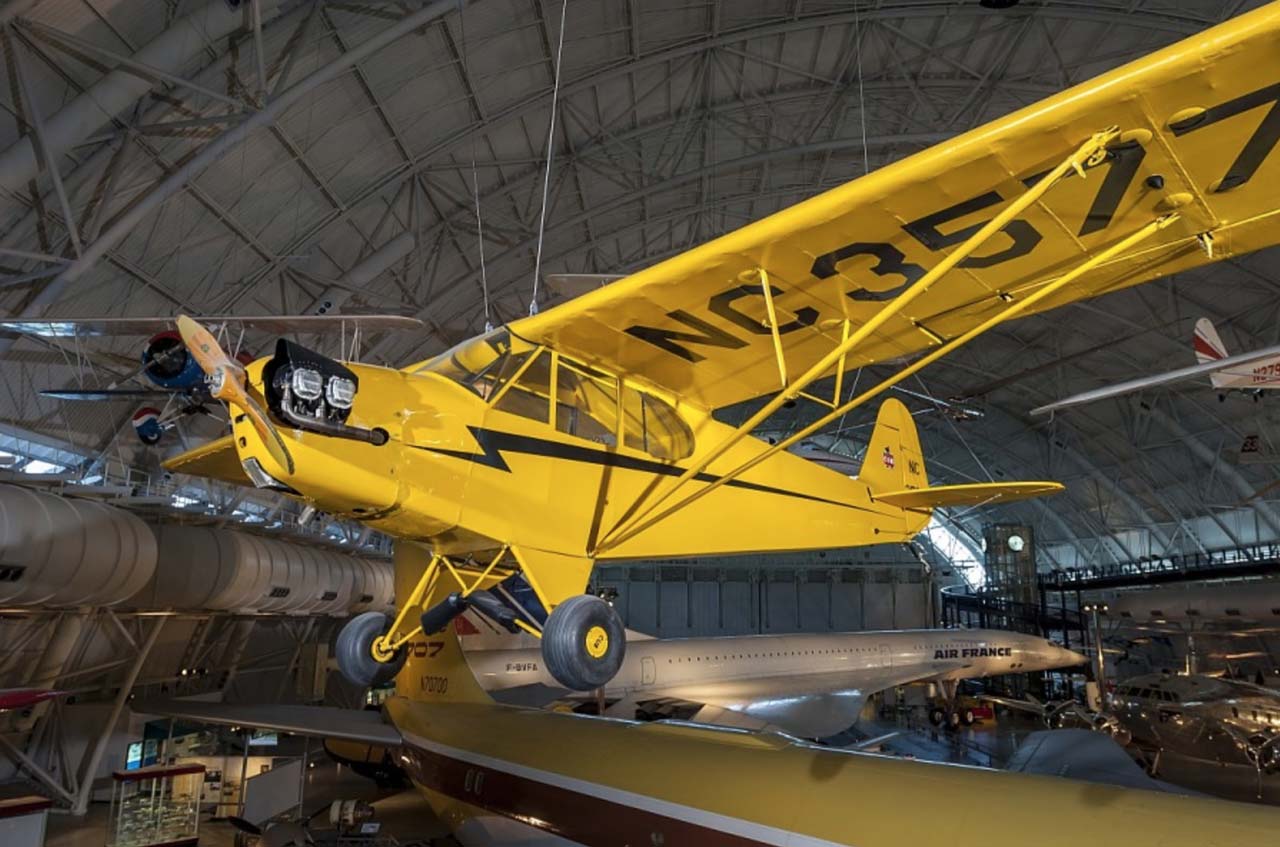
Piper-J-3-Cub: distinctive yellow, high-wing light monoplane with tailwheel; trainer and sport aviation; Continental A-65, 65 hp engine.

Piper J-3 Cub: distinctive yellow, high-wing light monoplane with tailwheel; trainer and sport aviation; Continental A-65, 65 hp engine. Photo courtesy of National Air and Space Museum

Walk onto any general aviation ramp today, and you’ll see aircraft that span decades. A Cessna 172 built in the 1970s might sit beside a modern composite Diamond or a Cirrus with a glass cockpit and safety systems once reserved for turbine aircraft. The evolution of GA aircraft has been steady, practical, and shaped by real-world needs: training, accessibility, reliability, and safety.

Here’s how general aviation aircraft have changed over the years—and why those changes matter to pilots today.

From Wood and Fabric to Metal and Composite Designs

Early GA aircraft were simple machines built mostly from steel tubing and fabric stretched over wooden ribs. A perfect example is the Piper J‑3 Cub, introduced in the late 1930s. Lightweight, forgiving, and affordable, it helped train an entire generation of pilots.

After World War II, manufacturers shifted toward all‑metal aircraft for added durability and performance. The Beechcraft Bonanza, introduced in 1947, delivered higher cruise speeds and better structural longevity thanks to its aluminum construction.

Today, a new wave of composite-based designs—using carbon fibre and fibreglass—has redefined the GA market. Composite materials allow sleeker shapes, lower drag, and lighter aircraft without sacrificing strength. This trend is evident in aircraft like Diamond’s entire DA series and next‑generation electric designs.

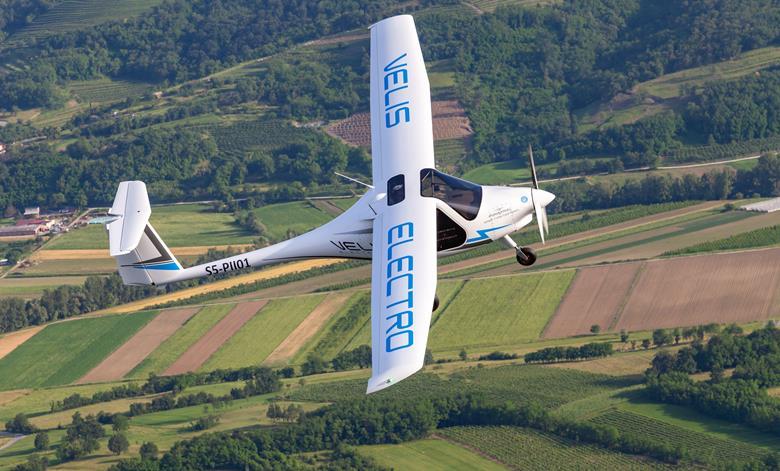
A good example is the Pipistrel Velis Electro, the first electric training aircraft to be certified.

The move from fabric to metal, and now to composites, marks one of the most significant shifts in general aviation aircraft design.

Pipistrel has high hopes for its Velis Electro as a training school asset

Pipistrel has high hopes for its Velis Electro as a training school asset. Source: Flight Global

Avionics: From Round Dials to Glass Cockpits

For decades, the standard GA cockpit used the classic six‑pack layout — round gauges driven by vacuum systems and mechanical gyros. Navigation relied heavily on VORs and NDBs, and occasionally on an early-generation GPS.

The introduction of the Garmin G1000 in the early 2000s set a new standard. Suddenly, even small trainers had moving maps, synthetic vision, integrated autopilots, and real‑time engine monitoring.

Many older aircraft are now retrofitted with modern displays, while new aircraft ship with fully integrated digital flight decks. Students today often begin their training in glass cockpits, preparing them for modern airline and corporate aircraft systems.

Digital avionics haven’t replaced pilot skill — but they have changed how pilots gather and process information, improving situational awareness and reducing workload.

Safety Improvements: Parachutes, Stability Systems, and Better Airframes

One of the most significant leaps in GA safety came from aircraft designers focusing on accident survivability rather than just performance.

The most recognizable innovation is the Cirrus Airframe Parachute System (CAPS), now associated with the Cirrus SR2X family. While not mentioned earlier as one of the aircraft requiring images, CAPS represents a landmark in safety engineering and belongs in any discussion of GA evolution. The system has saved more than 240 lives and has changed owner expectations around aircraft safety.

Other improvements include:

  • improved stall characteristics
  • better energy‑absorbing landing gear
  • more effective restraint systems
  • aircraft designed from the start to be spin-resistant

Safety technology is now a selling feature, not an afterthought.

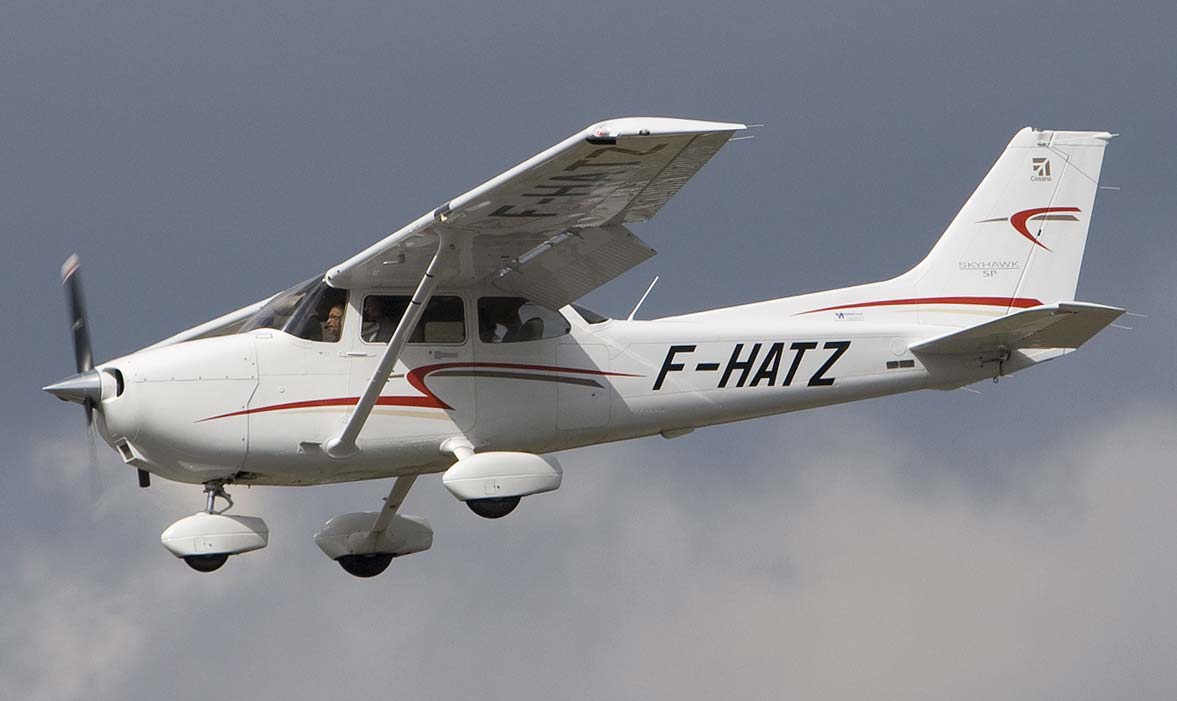
The Cessna 172 Skyhawk is an American four-seat, single-engine

The Cessna 172 Skyhawk is an American four-seat, single-engine, high wing, fixed-wing aircraft made by the Cessna Aircraft Company. Source wikipedia.org

Powerplants: The Slowest Part of GA to Evolve

While airframes and avionics have advanced dramatically, GA engines haven’t changed as quickly. The familiar Lycoming and Continental engines found in aircraft like the Cessna 172 are still air‑cooled, still carbureted or fuel‑injected, and still remarkably similar to their 1960s ancestors.

But progress is happening:

  • Jet‑A piston engines (diesel) now offer better fuel efficiency.
  • FADEC systems automate engine management.
  • Electric propulsion is emerging for training fleets, as seen with Pipistrel’s Velis Electro.

These changes are gradual but steady — and essential as aviation looks toward lower emissions and reduced operating costs.

Comfort and Pilot Experience: A Shift Toward “Refined” GA

Early general aviation aircraft were built for practicality. They vibrated, they were loud, and creature comforts were limited. Passengers wore headsets not for preference but because cabin noise made conversation impossible.

Modern GA aircraft are designed with experience in mind:

  • improved soundproofing
  • ergonomic seating
  • climate control
  • panoramic windows
  • touchscreen avionics
  • smoother aerodynamic profiles

Pilots now expect a training aircraft to feel more like a modern vehicle and less like a vintage machine. Manufacturers have responded, especially in newer composite designs.

What Hasn’t Changed?

Despite all the improvements, many things remain the same.

The Cessna 172 Skyhawk remains the most widely used training aircraft in the world, over 65 years after its first flight. Thousands of pilots earn their licences every year in an airplane that looks, feels, and flies almost exactly like its predecessors.

The fundamentals of flight haven’t changed either. Students still learn:

  • stick‑and‑rudder control
  • energy management
  • weather judgment
  • navigation basics

Modern tools help, but they don’t replace pilot decision‑making.

Looking Ahead: Where General Aviation Is Headed

General aviation continues to evolve slowly but steadily.

Expect more of the following in the coming years:

  • electric and hybrid training fleets
  • increasing use of automation and envelope protection
  • AI‑assisted maintenance diagnostics
  • more fuel‑efficient engines
  • advanced materials with even lower weight penalties

The future of GA will blend tradition with innovation. Pilots will continue to learn in familiar airframes while gaining access to technologies once reserved for commercial aircraft.

Final Thoughts

General aviation has always reflected a balance of practicality, innovation, and accessibility. From the fabric‑covered J‑3 Cub to the composite‑built electric Pipistrel trainers, the evolution of GA aircraft shows how far small airplanes have come—and how much potential remains ahead.

What is a Fam Flight at Pacific Flying Club

Have you ever dreamed of flying? You can book a FAM Flight to get started today.

Climb aboard this unique experience; you can book a 30-minute Introductory Flying Lesson with one of our qualified Flight Instructors and discover what flying is all about! Click for more info!

Facebook
Twitter
LinkedIn

Leave a Reply

Your email address will not be published. Required fields are marked *