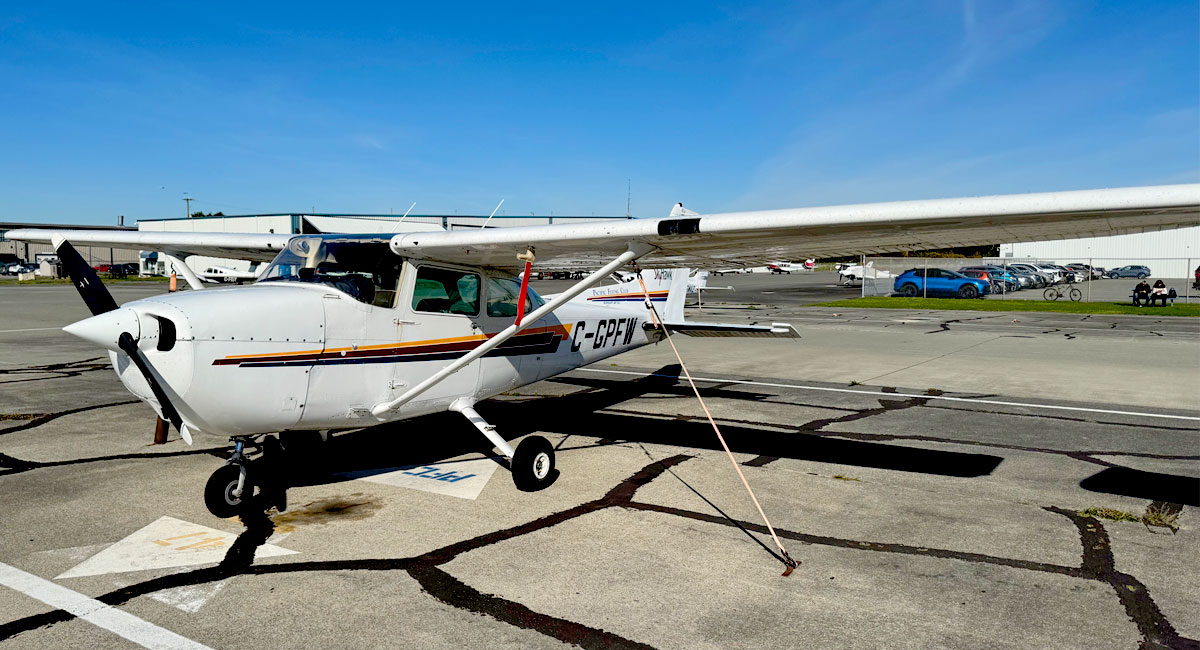
Every student pilot faces weather delays in training, often sooner than expected. You plan your day around the lesson, arrive ready, and check the weather one last time, hoping it’s improved. Instead, the ceiling is lower than forecast, visibility hovers near limits, or winds don’t cooperate. Staying on the ground feels like stalled progress.
Early in training, it’s easy to think learning only happens in the air. Weather delays seem like interruptions. Over time, most pilots realize the opposite. Weather and flight training are inseparable— key lessons happen when flying isn’t possible. Understanding this connection is the first step to appreciating how judgment develops outside the cockpit.
When Flight Training Becomes About Judgment
At first, student pilots focus on rules: Is the weather legal? Are we within limits? Can we fly? These questions matter, but they’re just the start. As training progresses, instructors shift students toward a more important skill: pilot decision-making.
Weather delays force that shift. They introduce the concept that flying is not about pushing a schedule forward but about making sound go/no-go decisions. Aviation does not reward impatience or optimism. It rewards judgment. Learning to accept that reality is a major step in becoming a good pilot.
This shift toward deliberate go/no-go decisions is a core part of pilot training worldwide and is formally taught as Aeronautical Decision Making. Aeronautical Decision Making.
Weather Delays in Flight Training
When the weather cancels a flight, the lesson moves indoors. Instead of pre-flight checks, focus shifts to aviation weather. METARs, TAFs, radar, and charts become the new tools. Students see weather as an evolving system, not a single snapshot.
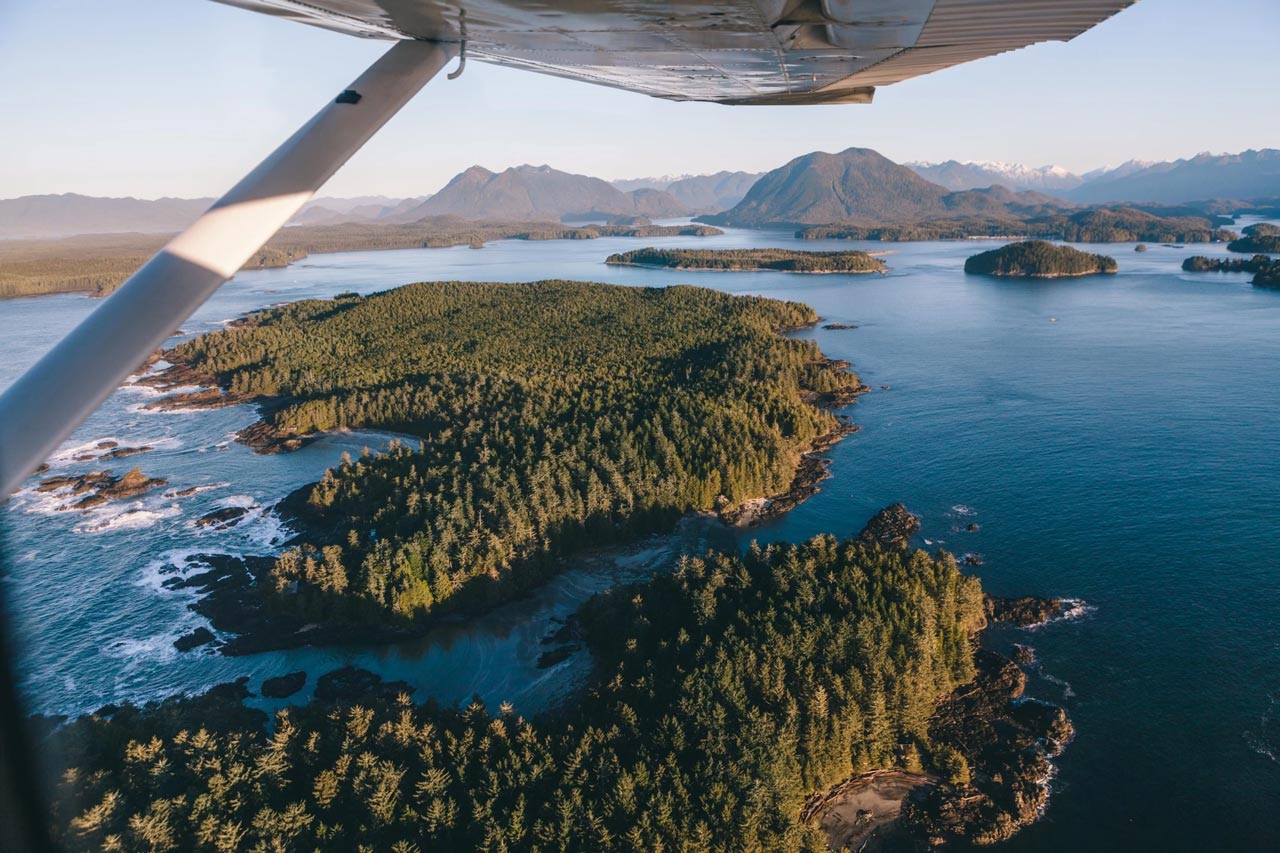
This is where real understanding begins to form. You start noticing how coastal weather behaves differently from inland conditions, how fog lifts slowly rather than instantly, and how winds change character throughout the day. These insights rarely come from perfect flying days. They come from weather delays.
Patience Is a Core Flying Skill
Weather delays challenge expectations and test discipline. The airplane does not care about bookings, preparation, or motivation. The atmosphere follows its own rules.
Walking away from a cancelled flight can feel frustrating, especially early on. With experience, pilots learn that choosing not to fly is often the most professional decision they make all day. This mindset becomes critical later, when decisions involve passengers, schedules, and operational pressure. Learning patience in student-pilot weather decisions builds habits that last an entire career.
How Weather Delays Improve Pilot Decision Making
As students gain experience, weather reports stop being something they scan for approval and start becoming information they interpret. You begin looking at trends instead of single reports. You consider what conditions might occur later in the flight, not just at departure. You think about alternatives before they are needed.
Weather delays slow the pace and allow judgment to develop. Over time, students grow more confident and rely less on hoping conditions will improve.
This deeper level of decision-making — built through weather delays—sets skilled pilots apart. The takeaway: developing judgment when not to fly is as essential as learning to fly.
Why Students Fly Better After Weather Delays
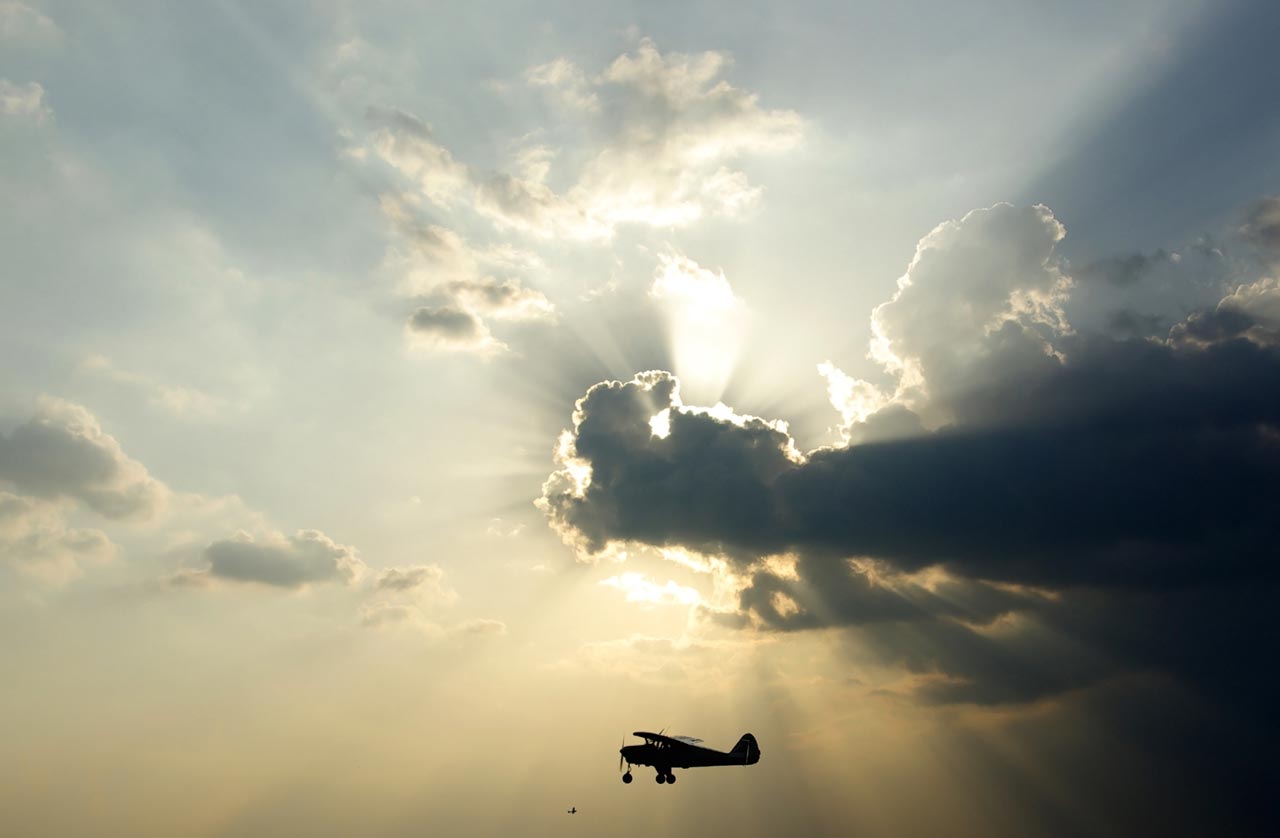
There is a quiet benefit to weather delays that many students don’t notice at first. When conditions finally allow flying, those flights tend to be more focused. Students are calmer, more deliberate, and more aware of their surroundings. Instead of reacting to the weather, they anticipate it.
Flight training judgment develops by repetition, and weather delays add to this as much as air time. Progress may appear slower, but it’s often deeper and more consistent. This change in perspective transforms the role of weather in training, making it an essential part of the journey.
When Weather Stops Feeling Like an Obstacle
Eventually, the weather stops feeling like an enemy and becomes part of the process. Students become comfortable making conservative decisions without frustration. Confidence grows, not from flying in perfect conditions, but from knowing when not to fly.
This shift marks an important transition in flight training. You are no longer just learning aircraft control. You are learning professional decision-making.
The Lesson Every Experienced Pilot Remembers
Ask experienced pilots about early training, and weather delays always come up: cancelled lessons, long forecast discussions, watching clouds while knowing the right call was made.
Those moments taught essential lessons about weather, patience, and judgment — foundations of pilot skill that every experienced pilot relies on. Takeaway: what might seem like lost time is actually invaluable training.
Weather delays in training are not setbacks. They help students learn to think, plan, and decide like pilots—not in ideal conditions, but in the real world where judgment matters.
That is how good pilots are built: through patience, judgment, and weather-related experiences that teach lasting lessons for a safe, successful career.