The Role of Simulators in Modern Flight Training
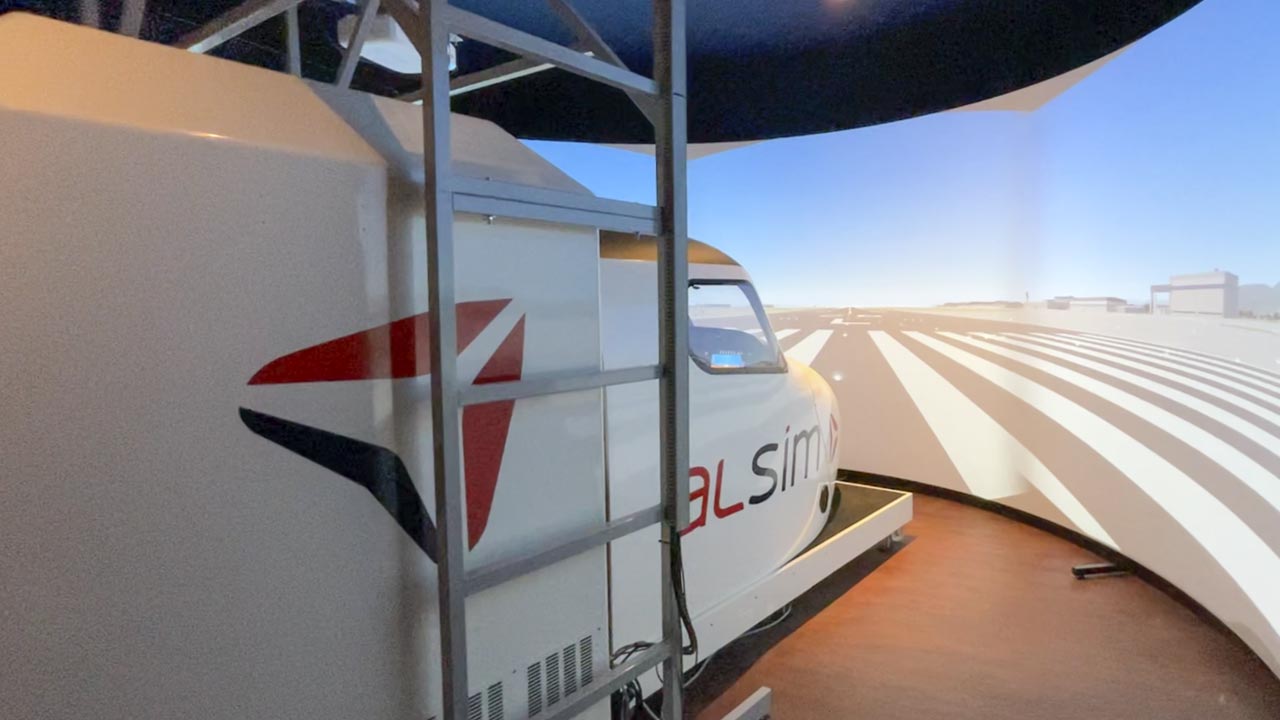
Simulator training has moved from a supporting role to a central component of pilot development. This shift is driven by how pilots are now expected to train, particularly in structured environments that emphasize repetition, precision, and scenario-based learning. While aircraft time remains essential, simulators are increasingly used to build core competencies before those skills are applied in the air.
Training organizations and airlines rely heavily on simulators because they allow for controlled, repeatable conditions. Unlike real-world flying, where variables such as weather, traffic, and time constraints limit what can be practiced, simulators create a stable environment where specific skills can be isolated and refined. This makes them especially useful in the early and intermediate stages of training, where consistency is critical.
Skill Development: Controlled Repetition and Focus
One of the main advantages of simulator training is the ability to repeat specific procedures without interruption. In an aircraft, a student may only have one or two opportunities to practice a maneuver within a lesson due to time, airspace, or operational constraints. In a simulator, that same maneuver can be repeated multiple times in a single session.
This applies directly to areas such as instrument flying, where accuracy and consistency are required. Students can practice approaches, holds, and navigation procedures in a focused way without external distractions. Instructors can pause the session, review errors, and restart the scenario immediately, which shortens the feedback loop and improves retention.
This type of structured repetition is difficult to achieve in an aircraft and is one of the main reasons simulators are now considered a core training tool rather than an optional supplement.
This type of structured repetition is difficult to achieve in an aircraft and is one of the main reasons simulators are now considered a core training tool rather than an optional supplement, as reflected in guidance from
FAA pilot safety resources on simulation training.
Cost and Training Efficiency
Flight training involves a significant financial commitment, and efficiency plays a major role in how students progress. Simulator time is generally more cost-effective than aircraft time and is not affected by weather delays or aircraft availability. This allows students to maintain continuity in their training schedule.
More importantly, simulators reduce the need for repeated aircraft lessons caused by gaps in skill development. When students arrive in the aircraft already familiar with procedures and flows, they can use their flight time more effectively. This does not eliminate the need for aircraft training, but it reduces inefficiencies that often increase overall cost.
When used as part of a structured program, simulator training can contribute to both time savings and improved learning outcomes.
Training for Scenarios That Cannot Be Safely Practiced in Flight
Certain situations cannot be fully replicated in an aircraft due to safety limitations. These include engine failures at critical phases of flight, severe weather encounters, and complex system malfunctions. Simulators allow these scenarios to be introduced in a controlled environment where the student can learn the correct response without risk.
This type of training is particularly important for developing decision-making skills. It is not limited to technical execution but includes how a pilot assesses a situation, prioritizes actions, and manages workload under pressure. These are skills that airlines expect from pilots and are best developed through scenario-based training.
By exposing students to these situations early, simulators help build confidence and preparedness that would otherwise take much longer to develop.
The Balance Between Simulator and Aircraft Training
Despite their advantages, simulators do not replace aircraft experience. Real flight introduces elements that cannot be fully simulated, such as physical sensations, environmental variability, and interaction with live air traffic. These factors are essential for building overall situational awareness.
The most effective training programs use simulators and aircraft time together, with each serving a specific purpose. Simulators are used to introduce and refine procedures, while aircraft time is used to apply those skills in real conditions. This approach creates a more efficient progression and reduces the likelihood of relearning the same concepts in different environments.
Understanding how a school integrates simulator training into its curriculum is more important than simply knowing whether a simulator is available.
What This Means for Students Starting Training
For someone considering flight training, simulator access should be evaluated in the context of how it is used. A well-integrated program will clearly define which parts of the training are conducted in the simulator and how that translates to aircraft performance.
Students should ask practical questions:
- How is simulator time scheduled within the training program?
- Which exercises are completed in the simulator versus the aircraft?
- How does simulator training affect total training time and cost?
These questions help determine whether the training approach is structured or ad hoc. The difference becomes evident as training progresses, particularly in how consistently skills are developed.
Should You Start Now?
The decision to begin flight training often comes down to timing and clarity. Many prospective students delay starting because they are unsure about the process or concerned about the financial commitment. Simulator training addresses part of this uncertainty by providing an accessible entry point into aviation.
It allows students to understand the structure of training, experience cockpit procedures, and assess their level of interest before committing to a full program. This reduces the risk of starting without a clear understanding of what is involved.
Given current industry demand and the continued evolution of training methods, there is little advantage in delaying once you have access to the right information and a structured path forward.