By the time you receive your Private Pilot Licence, you have already been living like a pilot for months. You’ve planned cross-countries, monitored weather systems, calculated weight and balance, and managed radio calls in real traffic. The flight test is an important milestone, but it is not the beginning of your aviation life. It is the moment when your preparation turns into independence.
Most new licence holders are not sitting around wondering what to do next. They have been thinking about it for a long time. The trip has already been discussed. The next rating has already been considered. The passenger seat has already been promised to someone close.
What changes is not your ambition. What changes is the authority to act on it.
Your First Flight Without a Training Objective
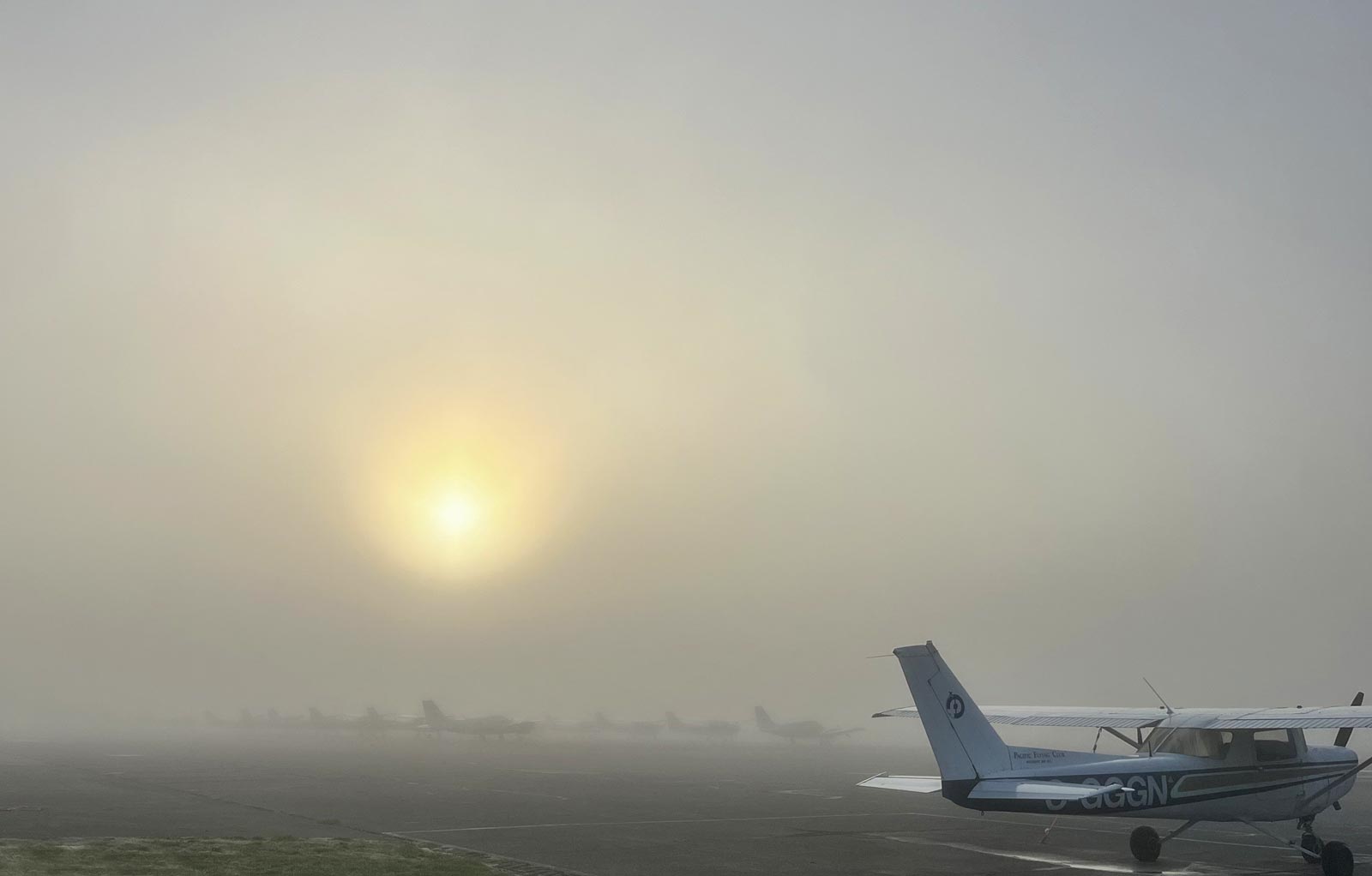
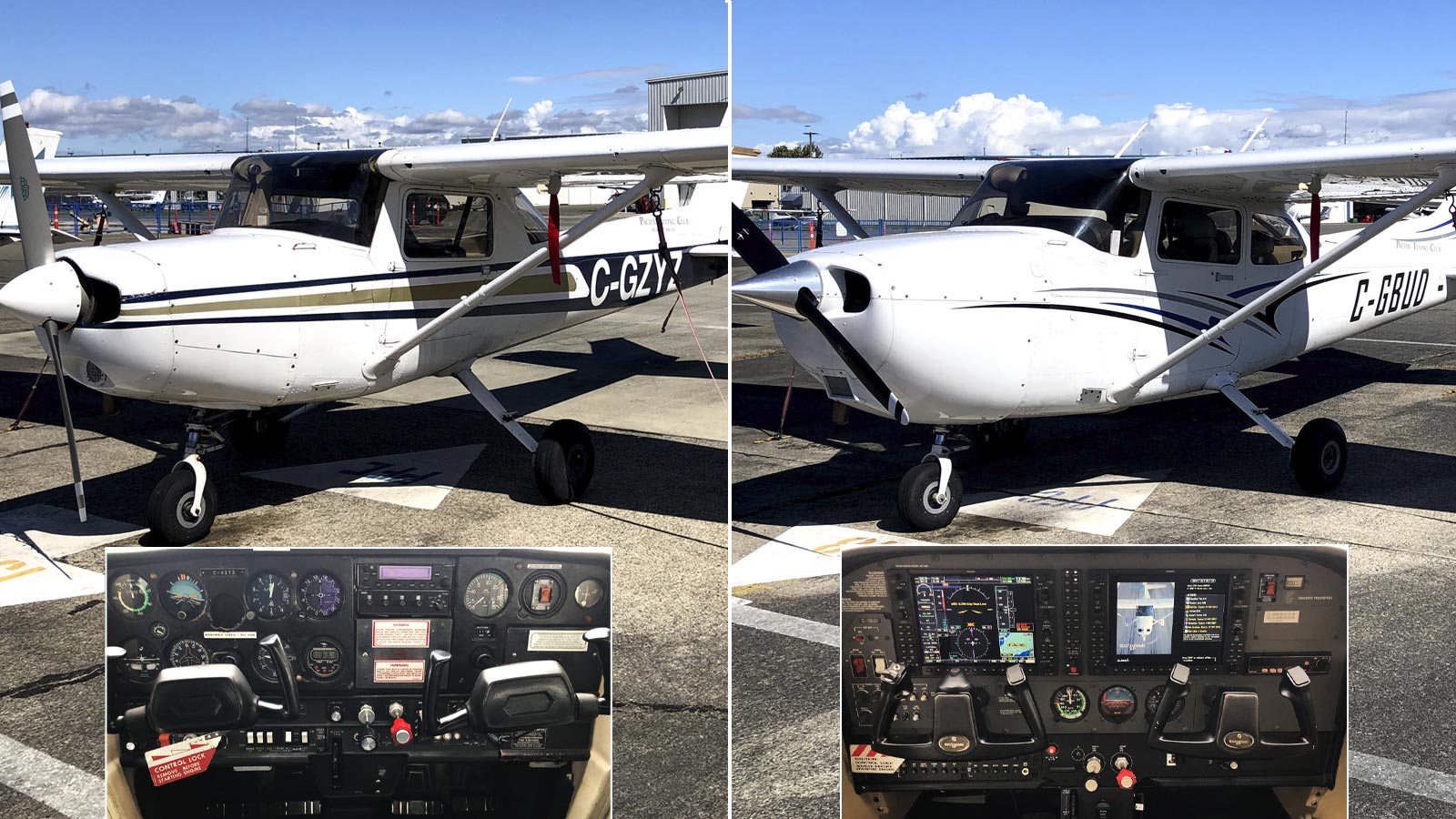
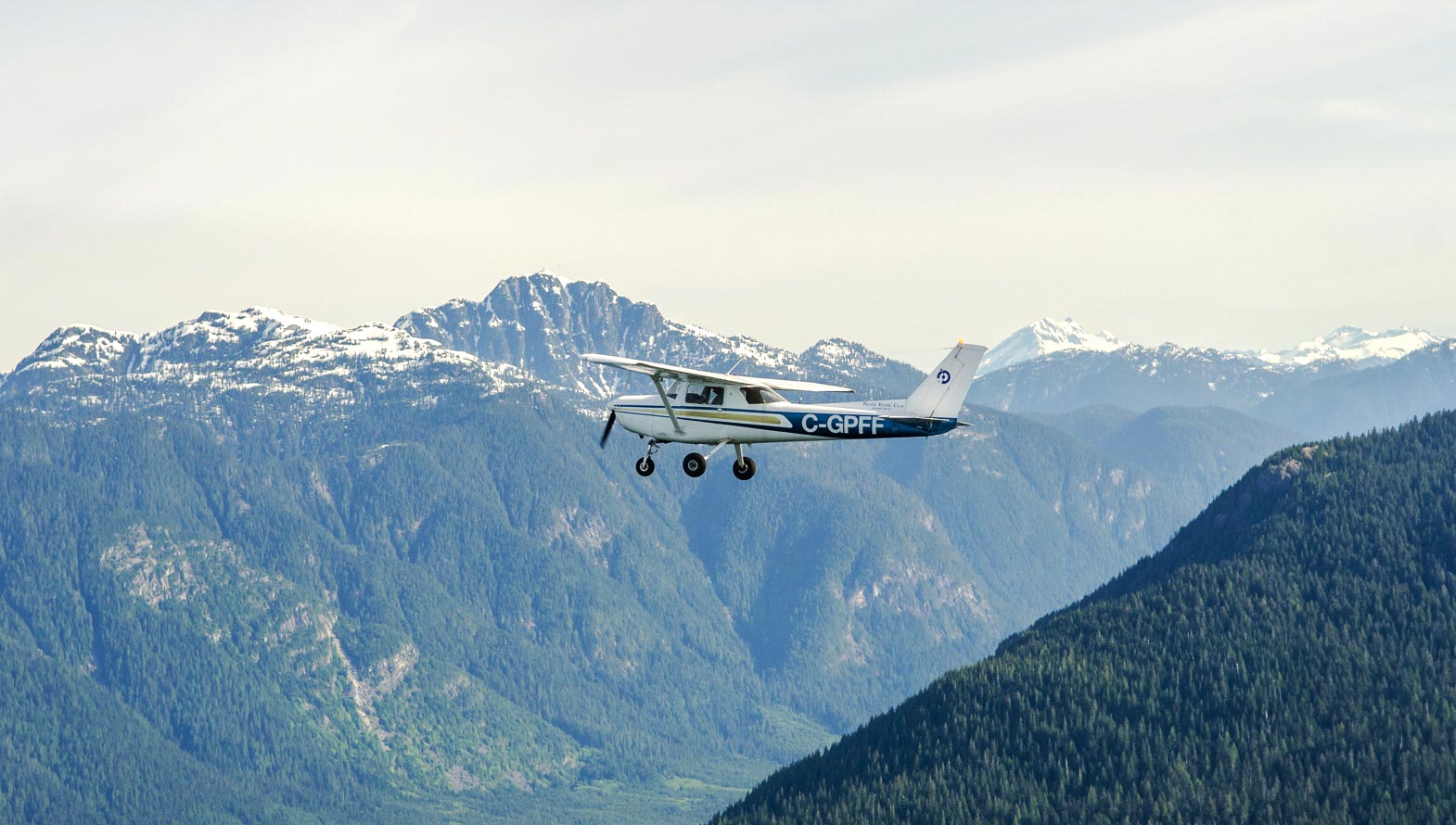
The first flight after licensing feels familiar and different at the same time. You book the aircraft through Pacific Flying Club the same way you did during training. You walk around the airplane carefully. You check the weather with the same discipline. The checklist hasn’t changed.
What has changed is the absence of evaluation.
There is no lesson plan. No instructor observing your scan. No quiet note-taking during the approach. You are flying because you chose to, not because a syllabus required it. The structure you developed during training becomes your own internal standard.
If you trained at
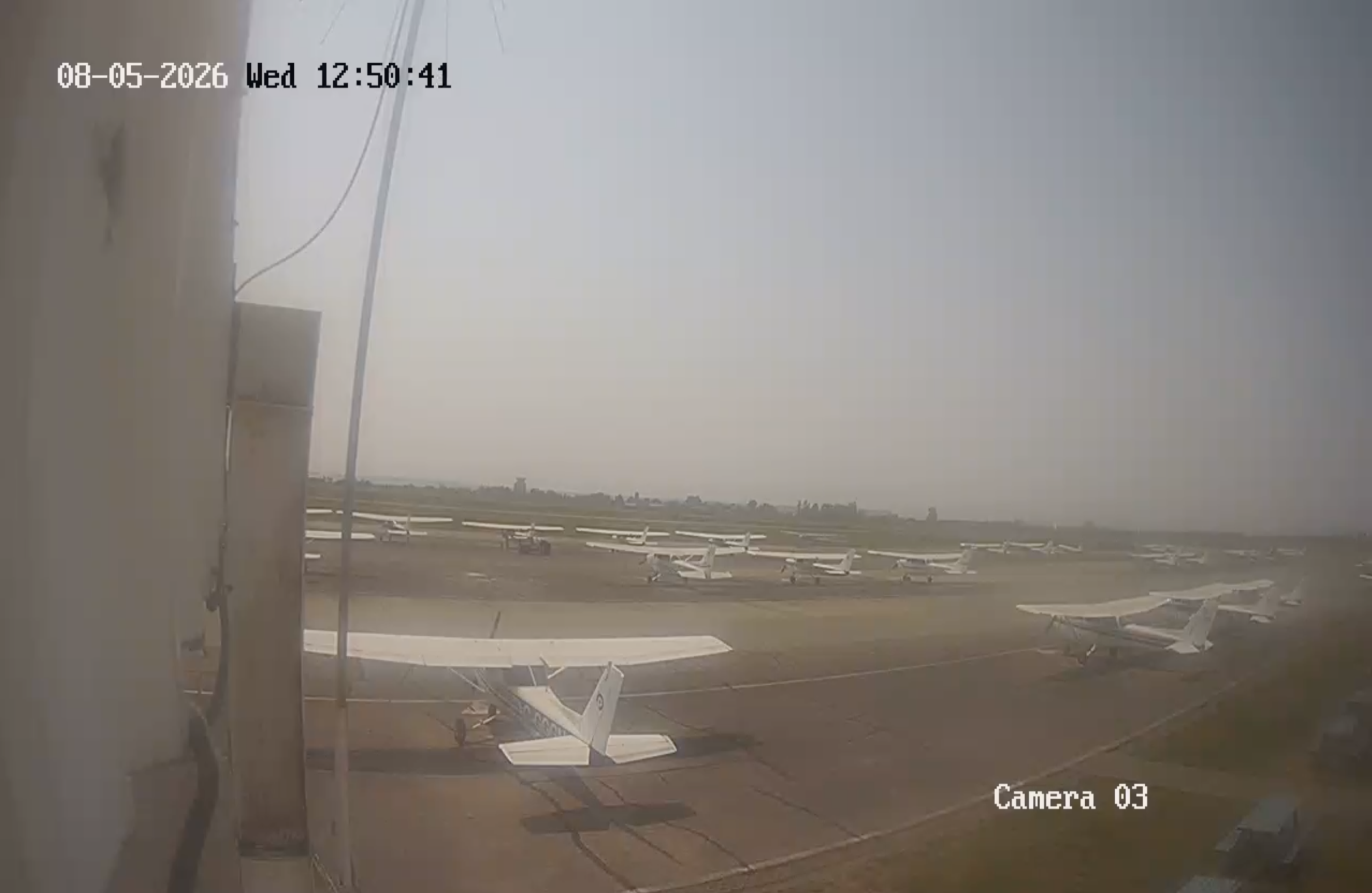
Boundary Bay Airport, you were already exposed to controlled airspace, steady traffic flow, and professional radio procedures. That environment prepares you well for independent flying. The airport does not suddenly become easier after licensing, but it does become more familiar. You realize that the competence you built was real.
The First Passenger Flight Feels Like a Responsibility
Sooner or later, you invite someone along. It might be a partner who tolerated the long study nights, a parent who watched you chase the goal, or a friend who has been waiting for their turn in the right seat.
Carrying a passenger shifts your focus in a practical way. You explain what to expect before engine start. You consider turbulence and visibility more carefully. You think about alternate plans before you taxi out. You are aware that the person beside you is placing trust in your judgment, not in your instructor’s.
This is often the moment when the licence feels meaningful. It is no longer about achieving a standard. It is about being accountable for the entire experience from startup to shutdown.
Flying Becomes Integrated Into Your Life
During training, flying was scheduled around lessons. After licensing, it must fit around work, family, and other responsibilities. Some pilots increase their activity and begin building hours aggressively. Others settle into a steady rhythm, flying once or twice a month under ideal conditions.
Neither approach is more legitimate than the other. The Private Pilot Licence allows you to choose how aviation fits into your life. For some, it becomes a structured progression toward advanced ratings. For others, it remains a disciplined hobby that provides perspective and challenge outside of everyday routine.
Over time, you develop a pattern that works. You may prefer short local flights to stay sharp. You may plan seasonal cross-country trips. You may focus on precision landings or navigation skills. The difference is that the goals are self-directed.
Moving Toward Additional Ratings
If your long-term plan includes professional aviation, the PPL is simply the first stage. Many students begin building time immediately with the next objective in mind. A night rating expands operational flexibility. Multi-engine training introduces new systems and performance management. Instrument training refines precision and discipline.
The transition does not feel abrupt. It feels like continuation. The study habits, planning skills, and discipline you built during your private training carry forward naturally.
Judgment Develops With Experience
One of the most noticeable changes after licensing is the growth of independent judgment. During training, instructors corrected small deviations immediately. After licensing, you evaluate yourself more critically.
You notice when an approach feels rushed. You recognize when winds are trending toward your personal limits. You reflect on whether a weather system is developing faster than forecast. These assessments become more nuanced with experience.
Confidence does not appear overnight. It grows gradually, reinforced by sound decisions and honest self-evaluation. Learning to delay or cancel a flight because conditions are not right becomes a sign of maturity rather than hesitation.
Currency Is More Than a Requirement
Regulations outline minimum recency standards, but experienced private pilots understand that minimum does not equal comfortable. You begin defining your own expectations for proficiency.
Some pilots schedule periodic practice sessions dedicated to emergency procedures and crosswind work. Others incorporate variety into cross-country flights to stay current with navigation and communication demands. Staying proficient becomes a personal commitment rather than something imposed by an instructor.
This is the stage where you begin to see yourself less as someone who passed a test and more as someone maintaining a standard.
The Ownership Question
Eventually, the topic of aircraft ownership may come up. It often begins casually. Friends ask when you will buy your own airplane. The idea sounds appealing: full access, personal pride, no scheduling constraints.
As you gain experience, you begin to see the broader picture. Maintenance coordination, insurance costs, storage fees, and unexpected repairs require time and financial planning. Many private pilots conclude that renting within a structured fleet offers a practical balance between access and responsibility.
The decision is not about status. It is about aligning aviation with your lifestyle and resources.
Becoming Part of the Aviation Community
After licensing, your relationship with other pilots changes. You recognize the early stages of training in new students. Conversations with instructors become less formal and more collegial. You exchange insights about weather systems, routes, and equipment rather than focusing only on lessons.
Aviation becomes less about earning qualifications and more about participating in a community that values precision, discipline, and shared experience.
What Truly Changes After the PPL
The Private Pilot Licence does not transform you overnight. It does not eliminate nerves or remove the need for preparation. What it does is transfer full responsibility to you.
You decide when to fly. You decide where to go. You decide whether to continue training or maintain flying recreationally.
The aircraft, the airspace, and the procedures remain the same. What shifts is ownership of every decision from preflight to shutdown.
In practical terms, life continues much as it did before the flight test. You plan carefully. You check weather. You review performance. You debrief yourself after landing. The difference is that you are no longer working toward approval. You are operating under your own authority.
That is what happens after you get your Private Pilot Licence. The training foundation remains, but the direction becomes yours to shape.