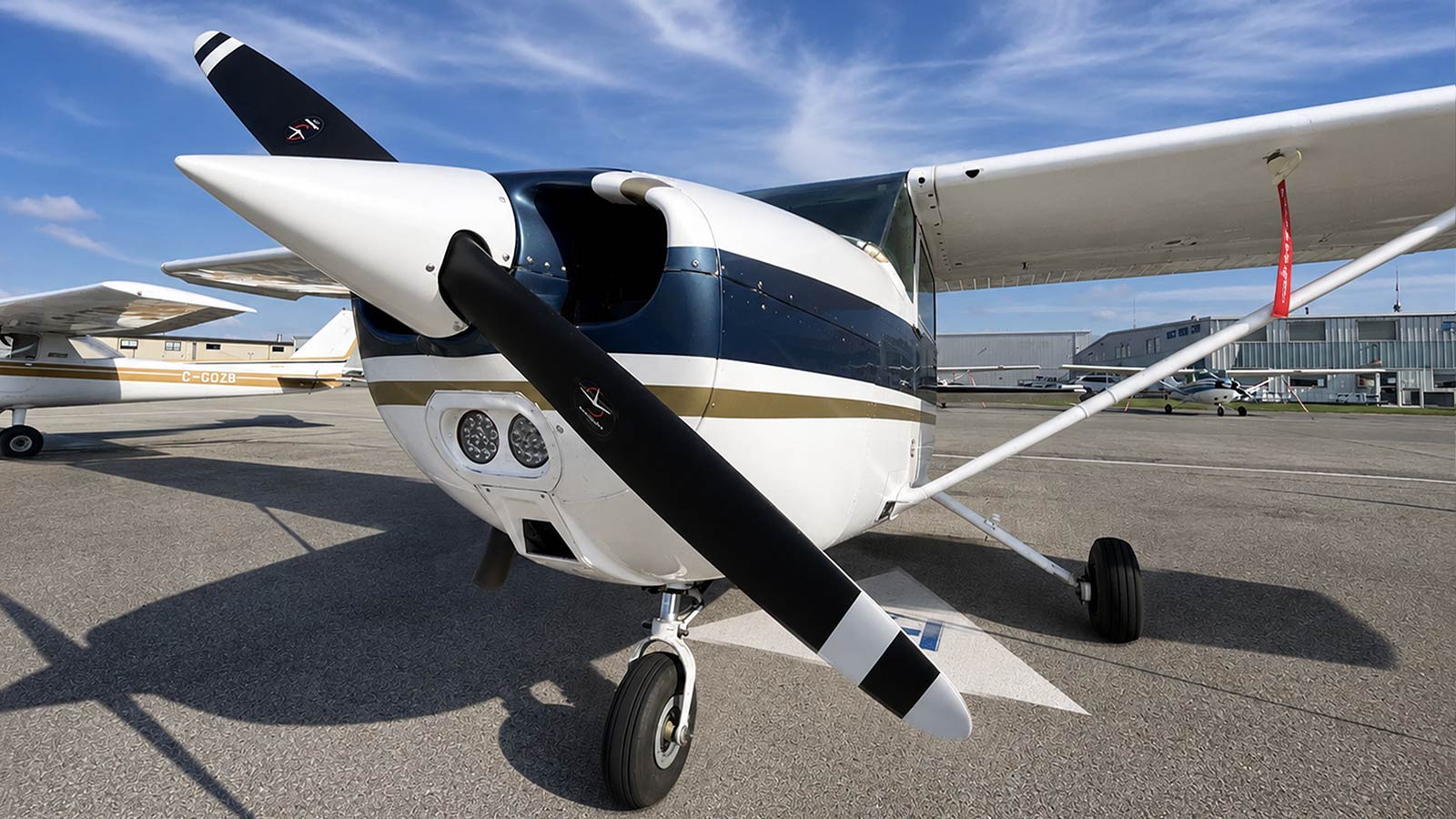
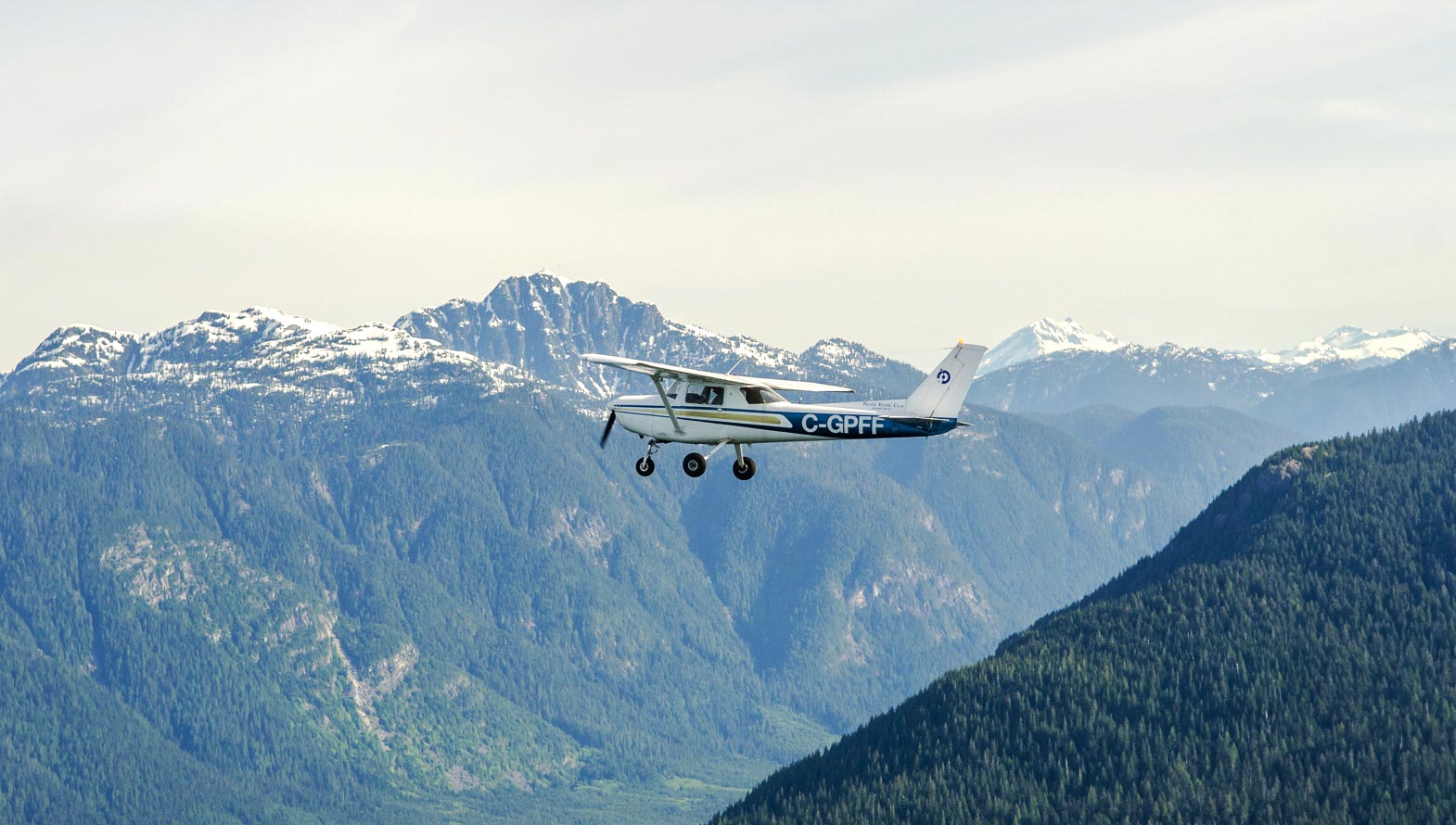
When people imagine a career as a pilot, the picture that usually comes to mind is a commercial airline uniform, a jet bridge, and a seat in a wide-body cockpit. It’s an understandable assumption — airline flying gets most of the attention, and it does represent one of the better-paying endpoints of an aviation career. But for many Canadian pilots, the path through aviation looks quite different, and not because they couldn’t make it to the airlines. For a lot of them, the airlines were never the goal.
Canada’s geography, resource industries, and aviation infrastructure have created a remarkably broad range of flying careers. From instructing student pilots at a flight school like Pacific Flying Club to flying medevac flights into remote northern communities, the work that licensed commercial pilots do in this country is more varied than most people researching flight training realize. Understanding that range matters, especially if you’re still figuring out whether a flying career fits your life and what the realistic path forward actually looks like.
Flight Instruction
For most pilots who earn a Commercial Pilot Licence (CPL), the first flying job is instructing. This isn’t a consolation prize or a temporary measure — it’s a legitimate career in its own right, and many experienced pilots choose to stay in instruction long-term because they find the work genuinely satisfying.
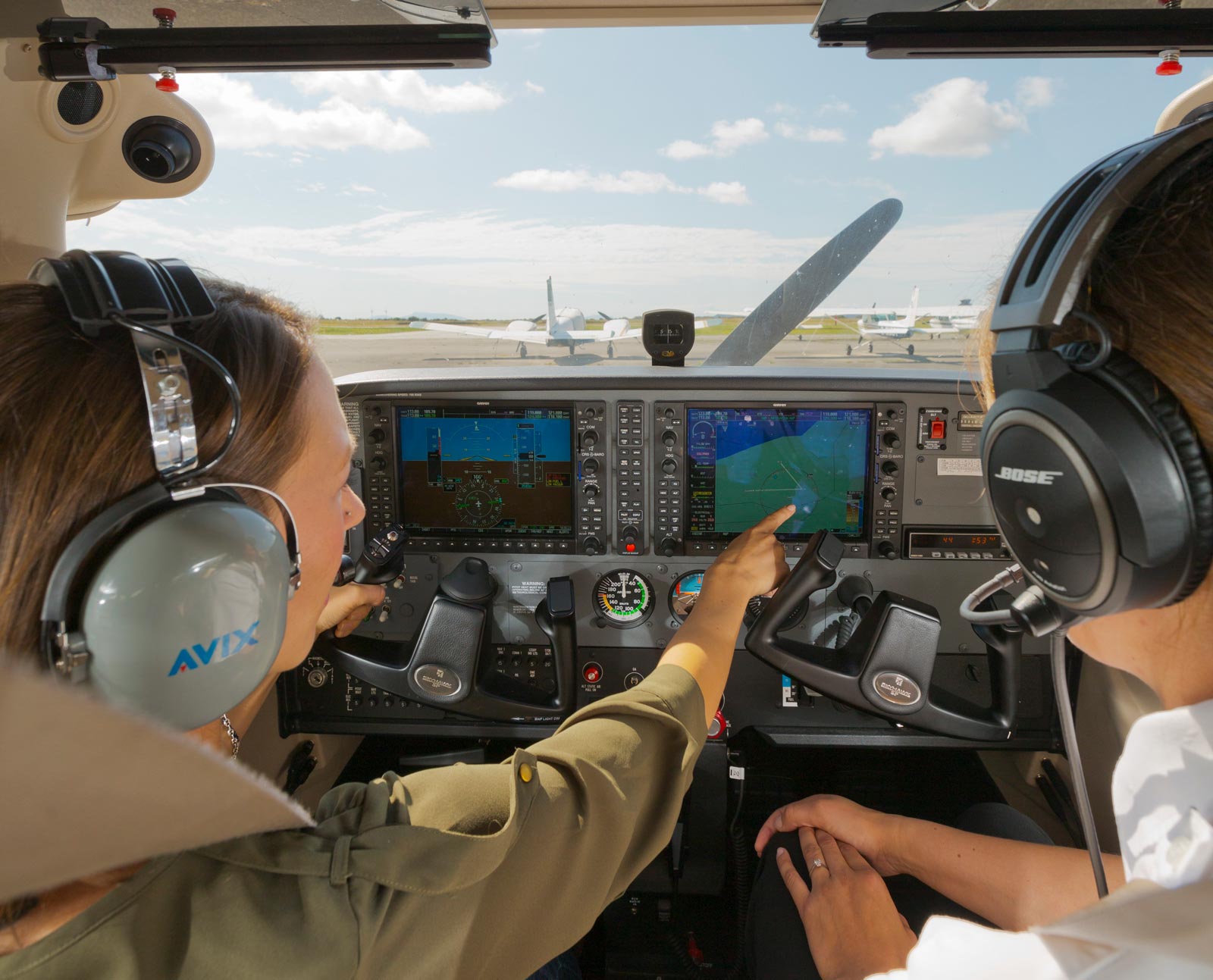
Flight instructors in Canada need a Flight Instructor Rating, which is an additional qualification pursued after the CPL. Pacific Flying Club offers instructor rating training for pilots who want to pursue this path. As an instructor, you’re responsible for taking students from their first familiarization flight through solo flight, cross-country navigation, and eventually their private or commercial pilot licence. The work demands solid stick-and-rudder skills, strong communication, and the patience to explain the same concept fifteen different ways until it clicks.
From a practical standpoint, instructing is also one of the most reliable ways to build flight hours after your CPL. Hour-building is a real part of early career planning in aviation, and instructing lets you accumulate meaningful, logged flight time while being paid to do it. Many pilots who later move into charter, airline, or other flying work point to their instructing years as the period where their skills sharpened the most.
Bush Flying and Remote Operations
Canada’s northern and remote communities depend on small aircraft in ways that have no real parallel elsewhere. Bush flying covers a wide range of operations — delivering freight, transporting passengers to communities without road access, supporting resource exploration, and providing essential links for Indigenous communities across the country. In British Columbia alone, the coastal geography and interior mountain ranges make fixed-wing and float-plane operations a practical necessity.
Bush flying is physically demanding, often conducted in challenging weather with limited infrastructure, and it requires a level of independent judgment that airline flying doesn’t always call for. Pilots who thrive in remote operations tend to be methodical, resourceful, and genuinely comfortable managing decisions without a dispatcher or operations control in their ear. The flying itself is varied and technically interesting, and many bush pilots describe the lifestyle as something they wouldn’t trade for a jet seat.
Float endorsements and mountain flying experience — including the Mountain Checkride available through Pacific Flying Club — are directly relevant for pilots considering remote or backcountry operations in British Columbia.
Charter and Corporate Aviation
Charter flying covers a wide spectrum, from small regional operators running scheduled or on-demand flights to corporate flight departments operating jets and turboprops for business travel. Both represent legitimate mid-career destinations for commercial pilots, and both tend to offer more schedule stability than the early years of airline life.
Corporate aviation in particular can be an attractive option for pilots who value consistent schedules, smaller crews, and the opportunity to become an expert on a specific aircraft type. Pilots flying for corporate flight departments often develop close working relationships with their passengers and take real pride in the level of service and reliability they provide. The hours can be irregular depending on the employer, but the flying itself tends to be technically demanding and professionally rewarding.
Getting into charter work typically requires a CPL, an Instrument Rating, and often a Multi-Engine Rating — credentials that reflect the kind of all-weather, multi-aircraft proficiency operators expect from their pilots.
Aerial Work: Survey, Patrol, and Firefighting Support
A category of aviation careers that often gets overlooked is aerial work — flying that isn’t about transporting people or freight, but about collecting data, monitoring the landscape, or supporting ground-based operations. Aerial survey pilots fly precise grid patterns for mapping and resource assessment. Pipeline and powerline patrol pilots follow corridors of infrastructure for inspection purposes. And during fire season in BC, pilots support firefighting operations through water bomber work, spotter flights, and crew transport.
These roles require strong technical flying skills, good situational awareness, and in some cases specialized endorsements or equipment training. They’re also not particularly well-publicized, which means many pilots entering training don’t know these careers exist until they’re already licensed and looking at options.
Medevac and Humanitarian Operations
Medical evacuation flying is another career path that carries genuine weight. Medevac pilots transport patients — sometimes critically ill — between remote locations and medical facilities, often in time-sensitive, low-visibility conditions. The work sits at the intersection of technical skill and human stakes in a way that few other flying careers match.
Organizations operating medevac services in Canada look for pilots with solid instrument time, good crew resource management skills, and the temperament to remain composed in high-pressure situations. It’s a career that takes time to get into, but pilots who do often describe it as among the most meaningful work in aviation.
How the Path Actually Works: Hour Building and Ratings
Regardless of which direction appeals to you, the early years of a flying career in Canada follow a fairly consistent structure. You begin with a Private Pilot Licence (PPL) or Recreational Pilot Permit, build the foundational skills and flight time required, and then pursue the CPL. Along the way, ratings like the Night Rating, Instrument Rating, and Multi-Engine Rating expand what you’re qualified to do and what jobs you can apply for. An Instrument Rating in particular is close to a requirement for any serious commercial flying work in Canada, where weather and airspace demands make IFR proficiency a practical necessity.
The upfront investment is real. The full training path from zero experience through a CPL, instrument rating, and multi-engine rating typically costs between $60,000 and $90,000 in BC when all flight hours, ground school, and licensing fees are included — a real number worth understanding before you start. That’s a significant number, and it’s worth going into it with clear eyes. But so is the long-term picture — WorkBC projects over 1,400 pilot job openings in BC by 2035, and the broader national pilot shortage is well-documented. The career earnings curve is steep at the start and significantly better with experience and seniority.