Can AI replace pilots? It’s a question that comes up often, especially for anyone considering flight training today. With rapid advances in automation, many assume that aircraft will soon fly themselves. The reality is more nuanced. Modern aviation already relies heavily on automated systems, yet the role of the pilot remains central. This article looks at what automation can do, where it falls short, and what it means if you are thinking about becoming a pilot.
What Automation Already Does in Modern Aircraft
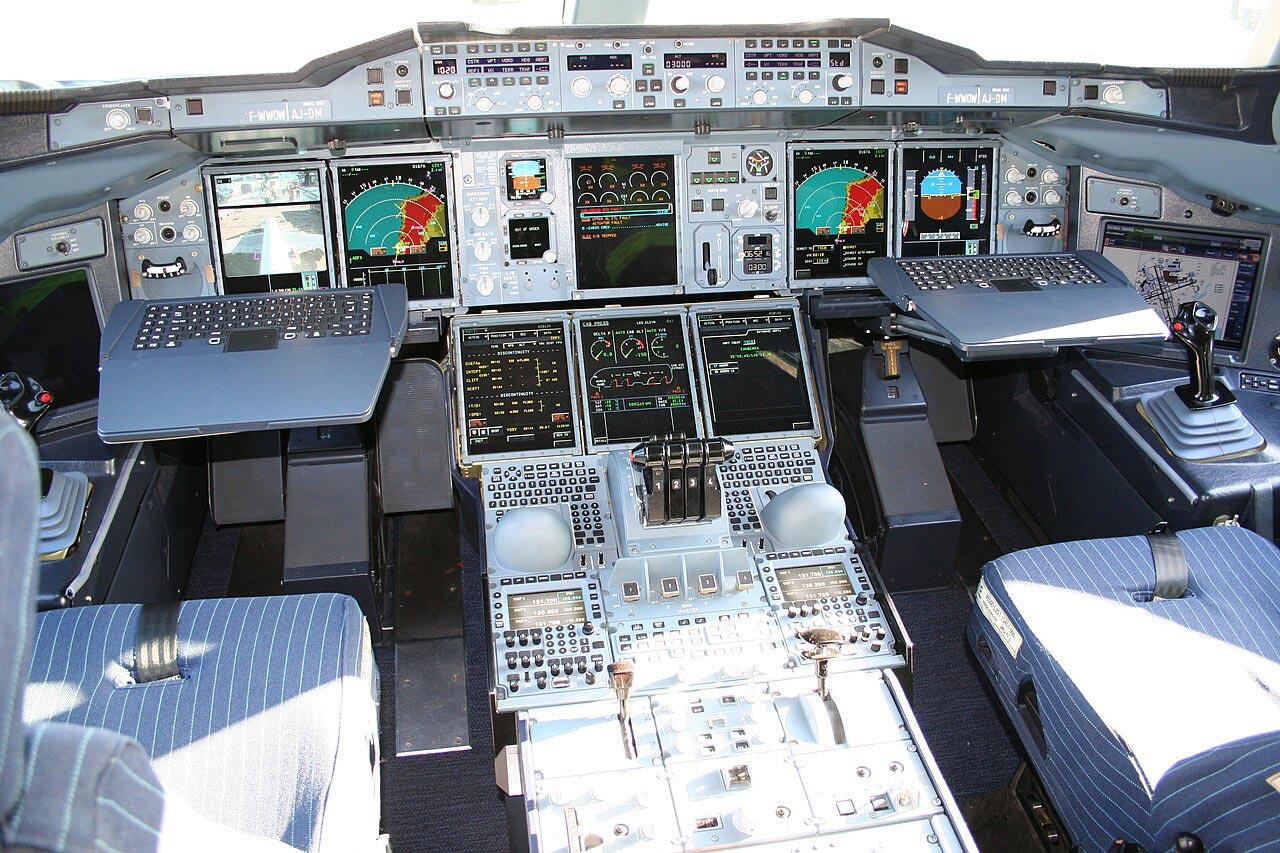
Automation is not new in aviation. Systems like Autopilot have been part of aircraft operations for decades. In most commercial flights, automation handles a significant portion of the journey, including maintaining altitude, heading, and speed.
Aircraft also use advanced navigation tools such as the
Flight Management System. These systems calculate routes, manage fuel efficiency, and assist with complex procedures, such as arrivals and approaches.
For a student pilot, this may sound like the aircraft is doing most of the work. That is not the case. Automation follows instructions. It does not decide what the correct action should be. The pilot sets the parameters, monitors performance, and intervenes when something does not go as planned.
In training, you learn both manual flying and system management. The goal is not to rely on automation blindly but to understand how to use it effectively.
Where AI and Automation Fall Short
The key limitation of AI in aviation is not technical capability. It is context and judgment.
Most flights are routine. Clear weather, stable systems, and predictable traffic allow automation to perform well. Problems arise in situations that are not predictable.
These include:
- Rapid weather changes
- System malfunctions
- Conflicting air traffic instructions
- Unexpected human factors inside the cockpit
AI systems operate based on predefined logic and data. They do not interpret ambiguity the way a trained pilot does. They cannot weigh multiple competing priorities in real time with the same flexibility.
A pilot, on the other hand, is trained to manage uncertainty. This includes assessing incomplete information, making decisions under pressure, and communicating clearly with air traffic control and crew.
This is why aviation training places strong emphasis on scenario-based learning. Simulators are used to recreate situations that require judgment, not just technical input.
The Difference Between Assistance and Replacement
A common misconception is that improved automation leads directly to pilot replacement. In aviation, the trend is different. Systems are designed to assist, not replace.
Automation reduces workload during stable phases of flight. This allows pilots to focus on monitoring, planning, and communication. It also improves consistency in navigation and fuel management.
However, responsibility does not shift away from the pilot. In every certified aircraft, the pilot remains accountable for the outcome of the flight.
This distinction matters. Assistance tools can execute tasks. They do not carry responsibility. Certification authorities require a human decision-maker in the loop because aviation safety depends on accountability as much as technology.
Why Pilot Skills Still Matter
If automation keeps improving, why is manual flying still a core part of pilot training?
The answer is simple. When systems fail or conditions change, the pilot must take control immediately.
This requires:
- Strong hand-flying skills
- Situational awareness
- Decision-making under time pressure
Training builds these skills from the start. Early lessons focus on basic control of the aircraft. As you progress, you learn navigation, communication, and system management.
Even in advanced aircraft, manual flying remains part of training standards. Pilots are expected to maintain proficiency, not just rely on automation.
For someone starting out, this is important to understand. Learning to fly is not about operating a system. It is about developing judgment and control that cannot be outsourced.
How the Pilot Role Is Changing
While AI is not replacing pilots, it is changing the nature of the role.
Pilots today spend more time managing systems than earlier generations. They monitor data, verify inputs, and ensure that automation is functioning correctly. This requires a different type of awareness.
Training programs are adapting to this shift. Students learn not only how to fly but also how to manage increasingly complex aircraft systems. Simulator training plays a larger role, allowing exposure to scenarios that would be difficult or unsafe to practice in the air.
This evolution does not reduce the importance of the pilot. It increases the need for well-trained individuals who can bridge the gap between human judgment and machine capability.
What This Means If You Want to Become a Pilot
If you are considering flight training, the question “Can AI replace pilots?” should not stop you. The more relevant question is whether you are prepared to develop the skills that modern aviation requires.
You need three things to start:
- Medical clearance
- Time commitment
- Willingness to learn consistently
From there, training builds in stages. You begin with basic control and progress toward more advanced operations. Along the way, you learn how to use automation without depending on it.
The demand for pilots remains tied to global travel and aviation growth. While technology will continue to evolve, the need for trained professionals who can manage complex situations is not going away.
A Practical Way to Understand It
The most direct way to answer the question Can AI replace pilots? is not theoretical. It is practical.
A familiarization flight (FAM) gives you a first look at what flying involves. You sit in the cockpit, take control under guidance, and see how much depends on human input. Automation may assist, but it does not replace the experience of flying.
Read more about FAM.
This step removes assumptions. It gives you a clear understanding of what training requires and what the role of a pilot actually looks like today.
AI will continue to advance. Aircraft systems will become more capable. But aviation is built on layers of safety, responsibility, and human judgment.
The pilot is not being removed from the cockpit. The role is being refined.
If you are considering this path, the focus should not be on what machines can do. It should be on what you are prepared to learn and how you will operate in an environment where both human skill and technology matter.
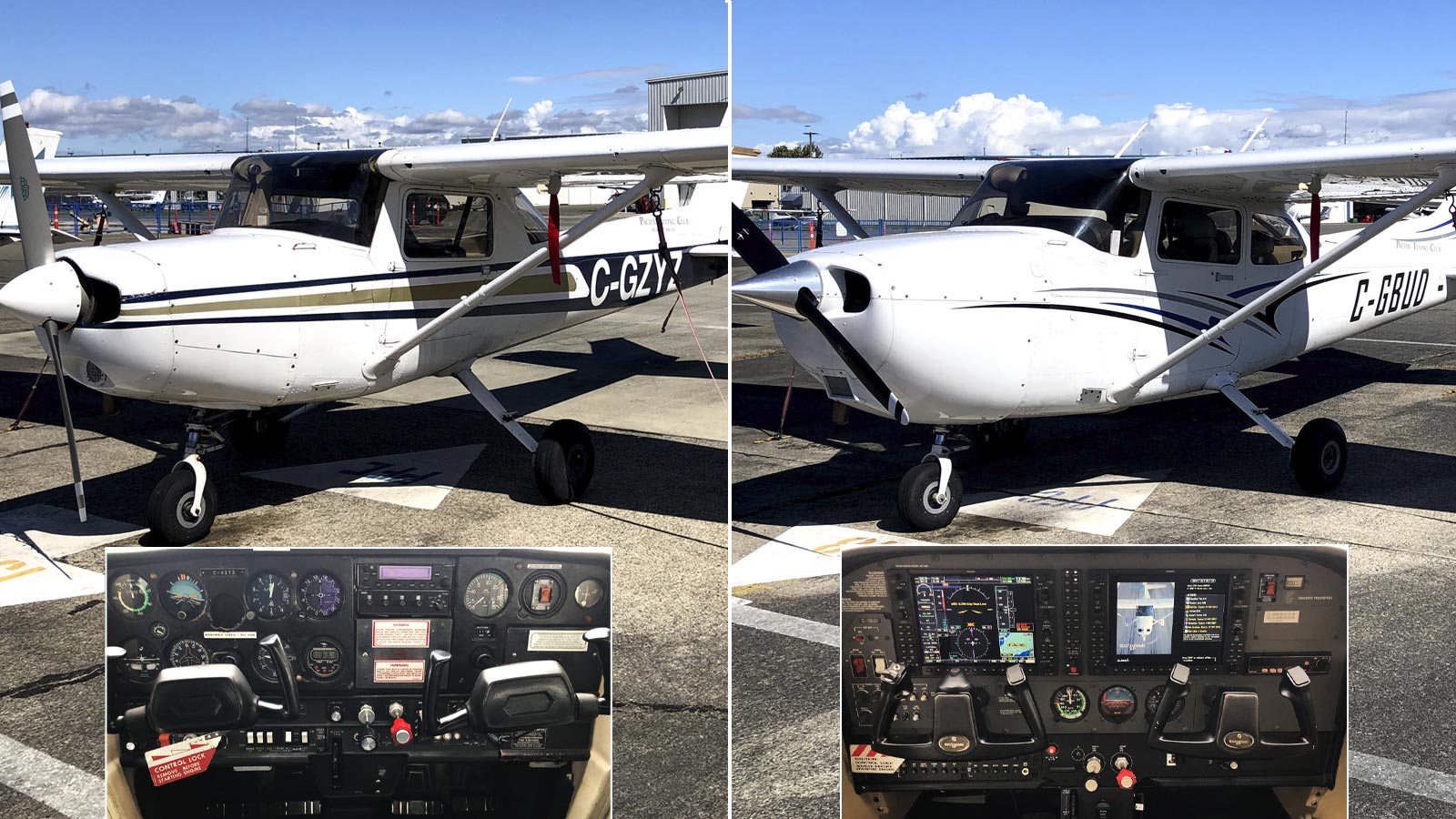
Understanding automation is one part of the picture. The way you interact with it depends on the cockpit you train in. Modern glass displays change how information is presented, while traditional gauges build core scanning and interpretation skills. Both play a role in developing a capable pilot. To see how these two approaches compare and what you should learn first,
read our breakdown of Glass Cockpits vs Traditional Gauges.