Choosing a flight school is one of the more consequential decisions you’ll make as a prospective pilot, and it’s one that most people approach without much guidance beyond a Google search and a few phone calls. The schools themselves tend to emphasize their own strengths, which is understandable, but not always useful when you’re trying to make a genuine comparison. What follows is a practical, student-centred look at what actually matters when evaluating flight training in Canada, and why some factors deserve more weight than others.
Start with Transport Canada Approval
Before anything else, confirm that the school holds a Transport Canada Flight Training Unit (FTU) designation. This is the federal certification that authorizes a school to conduct flight training toward a Canadian licence or permit. Training at a non-designated school can create complications when it comes time for your flight test and licence application, so this is a non-negotiable starting point rather than a nice-to-have. Transport Canada publishes its own guidance on how to select a flying school, which is worth reading alongside any school’s promotional materials.
Beyond basic FTU status, some schools hold additional approvals that matter depending on your goals. If you’re considering a commercial path, look for schools that are authorized to conduct flight tests in-house through a designated pilot examiner. Having an examiner on staff means you’re not waiting months for an external examiner appointment to complete your licence requirements, which can have a real effect on your overall timeline and costs.
Fleet Size, Age, and Availability
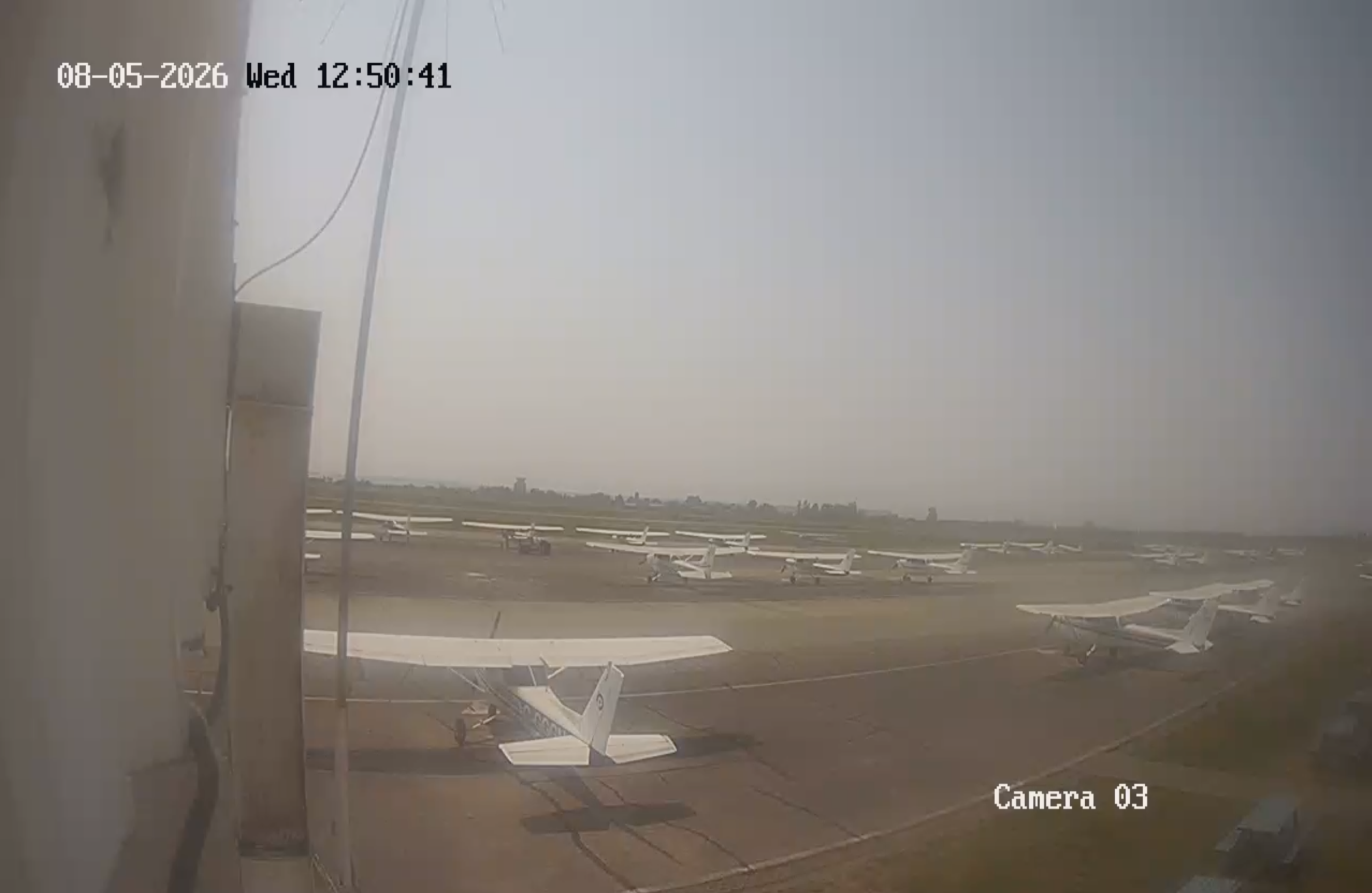
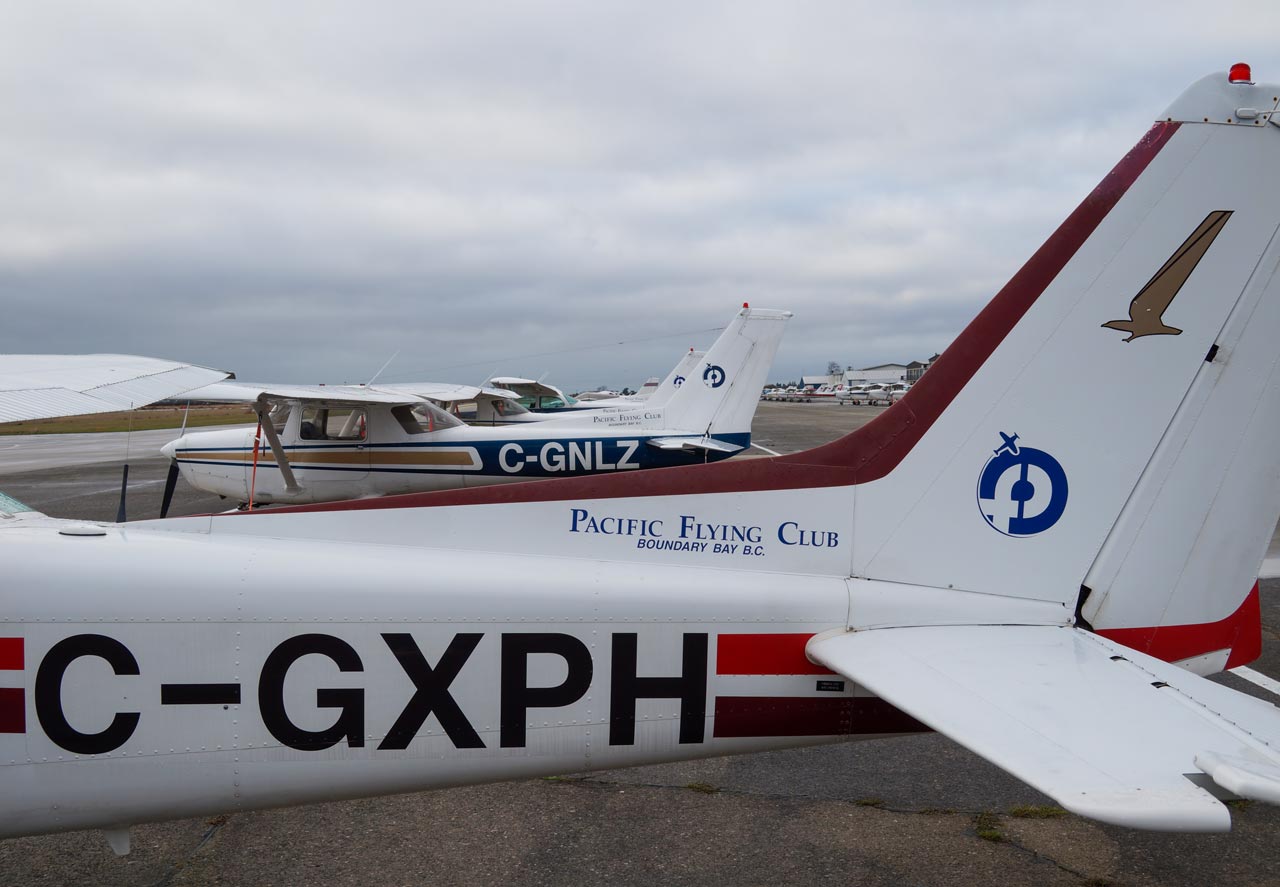
The number of aircraft a school operates matters more than it might initially seem. A school with a large fleet means aircraft are more readily available for booking, which directly affects how consistently you can train. Gaps between flights slow your progress and cost you retention of skills, particularly in the early stages of training when continuity matters most.
Beyond quantity, pay attention to the condition and age of the aircraft. Ask whether the school has a dedicated maintenance team on site or relies on third-party contractors. In-house maintenance tends to mean faster turnaround when an aircraft goes unserviceable, which again reduces gaps in your training schedule.
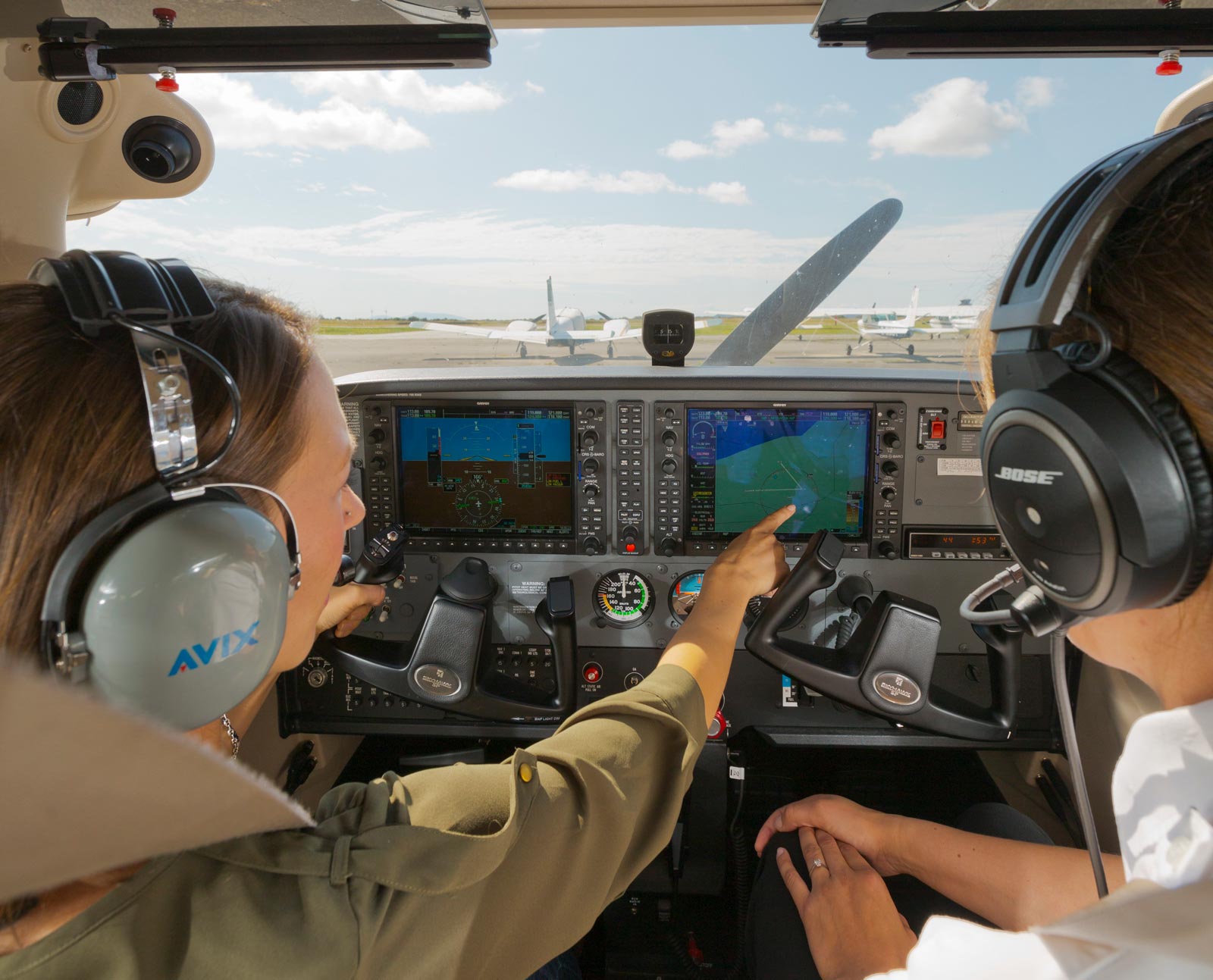
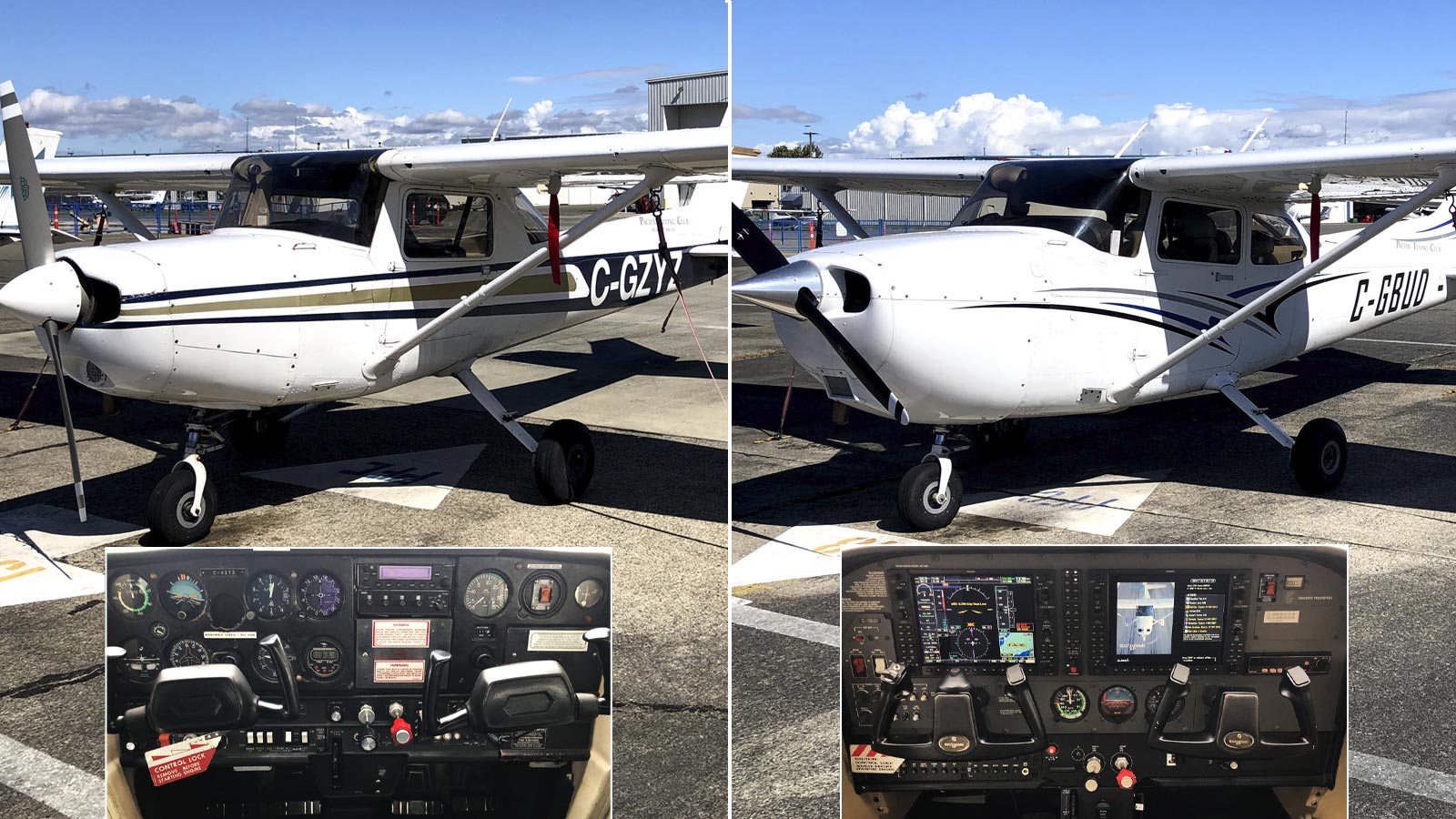
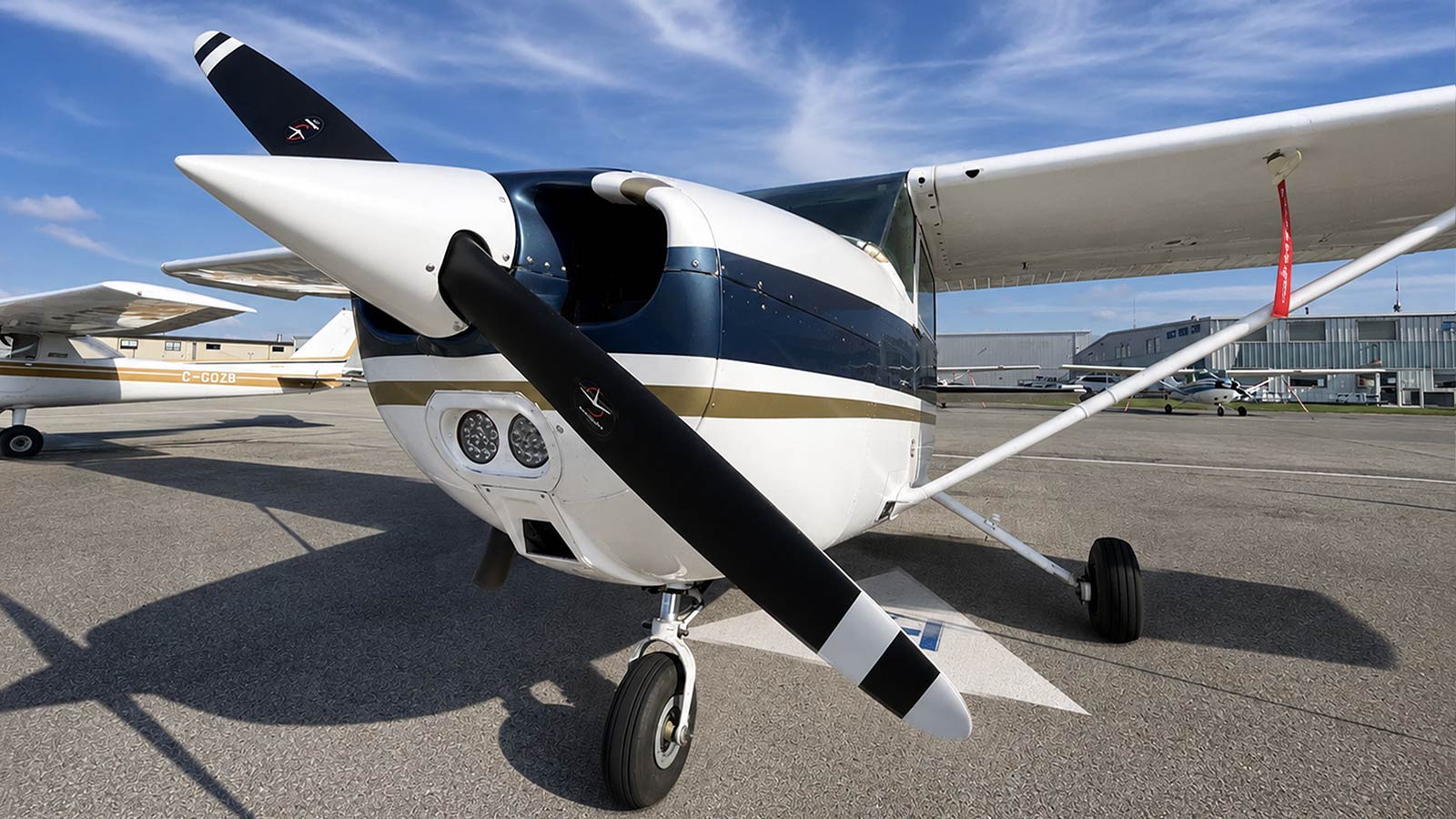
It’s also worth asking about the avionics configuration of the training fleet. Many commercial employers today expect new hires to have some familiarity with glass cockpit instrumentation, particularly Garmin systems. Training on aircraft equipped with G1000 avionics isn’t essential at the PPL stage, but it becomes increasingly relevant if you’re heading toward a commercial career. Schools that offer both traditional gauges and glass cockpit options give students more flexibility across their training progression. Pacific Flying Club’s fleet of 30 aircraft includes Cessna 172s equipped with the Garmin G1000, alongside conventionally equipped trainers, so students can work across both formats depending on their stage and goals.
Instructor Experience and Continuity
Instructor quality and stability vary significantly between schools, and this is an area where prospective students don’t always know the right questions to ask. Flight instructor positions are often entry-level for newly licensed commercial pilots who are building hours toward better-paying flying jobs, which means turnover can be high at schools that don’t invest in retaining their teaching staff.
Being handed off to a different instructor partway through training is more disruptive than it sounds. Each instructor has a different teaching style, different priorities in the air, and a different understanding of where you are in your development. Continuity with one instructor, particularly through the foundational stages of training, produces better outcomes than working with several.
One question that doesn’t get asked often enough concerns the instructor rating levels on the school’s roster. Transport Canada certifies flight instructors on a scale from Class 4 through Class 1, with Class 1 being the highest designation.
In some cases a Class 4 instructor could be newly qualified and just starting in a teaching role. Advancing even one level — from Class 4 to Class 3 — requires meeting all of the following:
- Log at least 100 hours of dual flight instruction
- Successfully recommend a minimum of 3 students for their first solo flight
- Successfully recommend at least 3 students for a flight test
- Pass a Class 3 flight test with a qualified examiner — or complete a Transport Canada-approved Flight Instructor Refresher Course
Each subsequent class requires progressively more experience, demonstrated teaching ability, and formal evaluation. A school with a strong proportion of senior instructors reflects both depth of experience and institutional stability.
A mix of senior and developing instructors gives students access to a genuinely experienced teaching team at every stage of their training. This is not to say that Class 4 instructors are not fully qualified or possess the experience to teach you the required pilot training skills. Many Class 4 instructors have logged well beyond 100 hours of dual flight instruction before they upgrade.
Ask schools directly about the composition of their instructor roster and how long their current teaching staff have been there. Ask whether students are typically assigned a primary instructor and what happens if that instructor leaves. The answers will tell you a lot about how the school operates in practice versus how it presents itself in marketing materials.
The Training Environment
Where you learn to fly shapes the kind of pilot you become. Schools operating at controlled airports, where student pilots communicate with air traffic control on every flight, produce graduates who are more comfortable in busy airspace and more prepared for professional flying environments than those who train exclusively at uncontrolled fields.
Airspace complexity is worth considering alongside the physical environment. Training near a major terminal control zone gives students regular exposure to procedures and communications that mirror what professional pilots deal with every day. That experience doesn’t show up on a licence, but it shows up in competence.
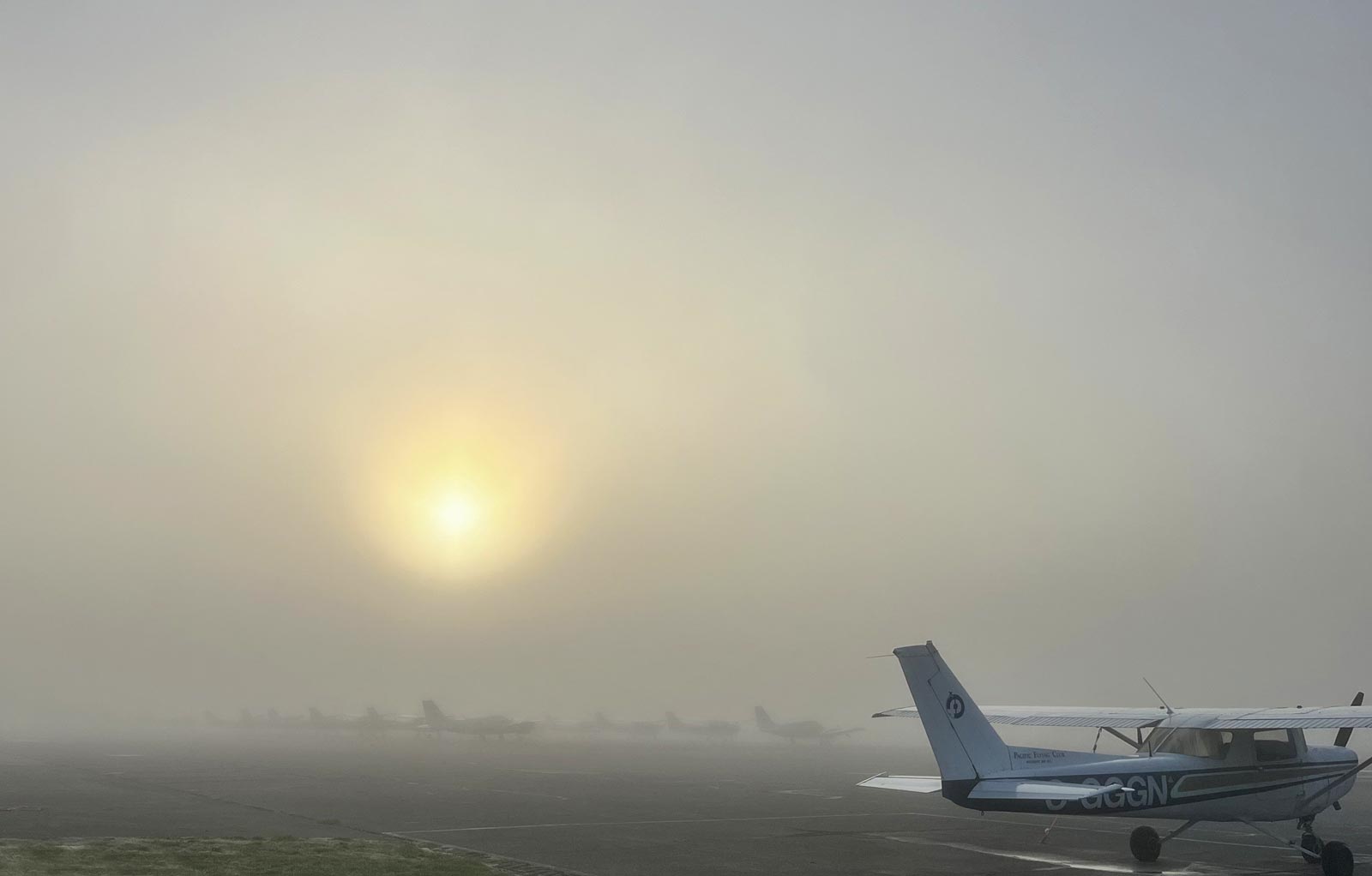
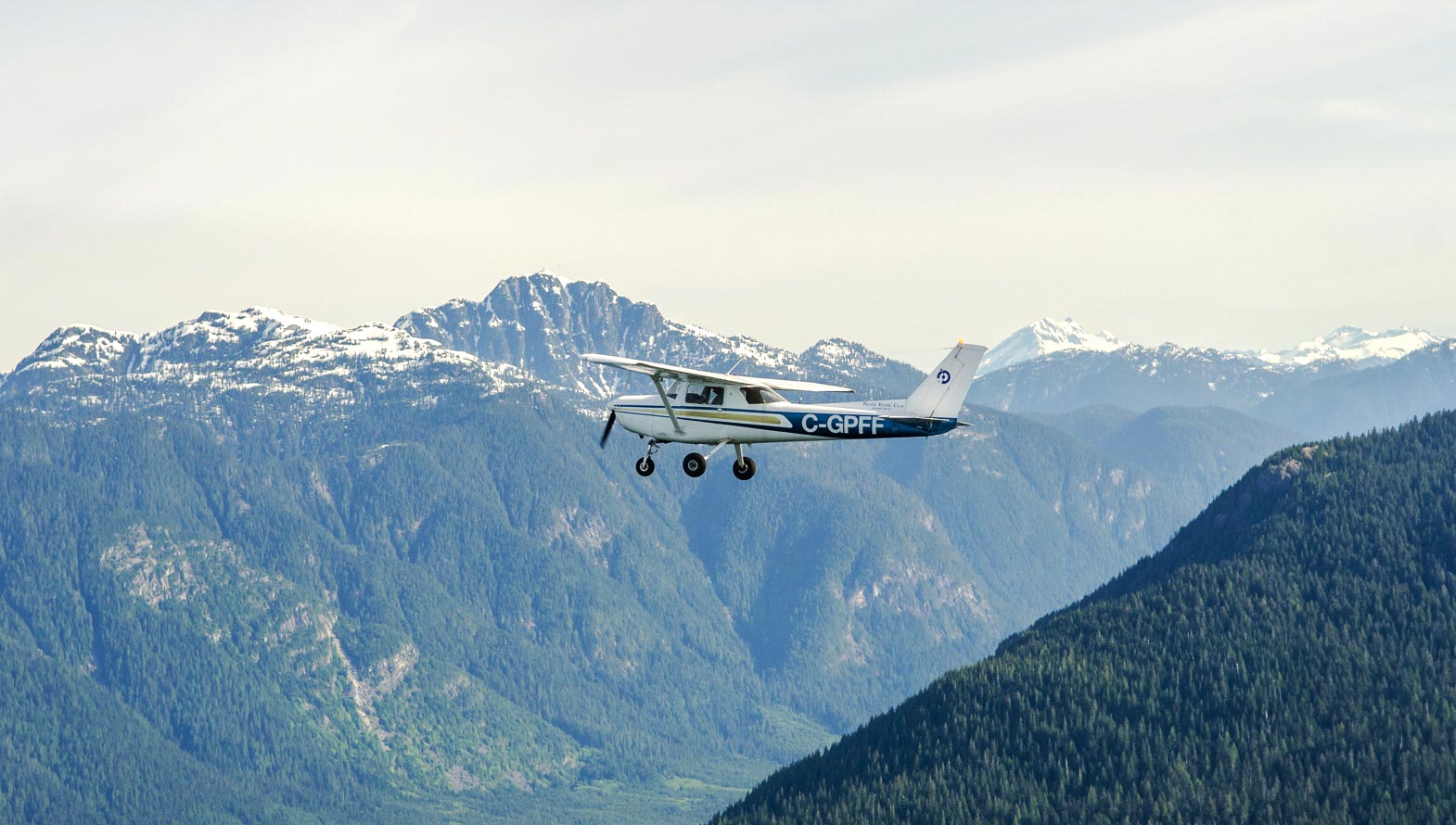
Local geography matters too. Students training in coastal environments with regular low ceilings and changing conditions build a practical understanding of weather decision-making that students in drier, more stable climates don’t necessarily develop at the same rate. Neither environment is inherently better, but understanding what the local conditions will teach you is a reasonable part of choosing where to train.
Understanding the Real Cost
Quoted costs between schools can be difficult to compare honestly, because schools don’t always present their numbers the same way. Some quote aircraft rates as wet (fuel included), others as dry (fuel billed separately). Some include ground instruction in their hourly rate, others charge it separately. Some quote a flat program fee that bundles everything, others bill as you go.
When comparing costs, ask for a full breakdown of what’s included in the quoted rate, what’s billed separately, and what the school’s realistic estimate is for total hours to complete each stage of training. A school that quotes a lower hourly rate but whose students consistently take more hours to reach test-ready standard isn’t necessarily cheaper than a school with a higher rate and better training efficiency.
It’s also worth asking whether the school offers ground school on-site, how it’s delivered, and whether it’s included in program costs or billed separately. Ground school is a substantial component of the training process, and having it integrated into the school’s regular schedule rather than left entirely to self-study tends to produce better written exam results.
What to Ask When You Visit
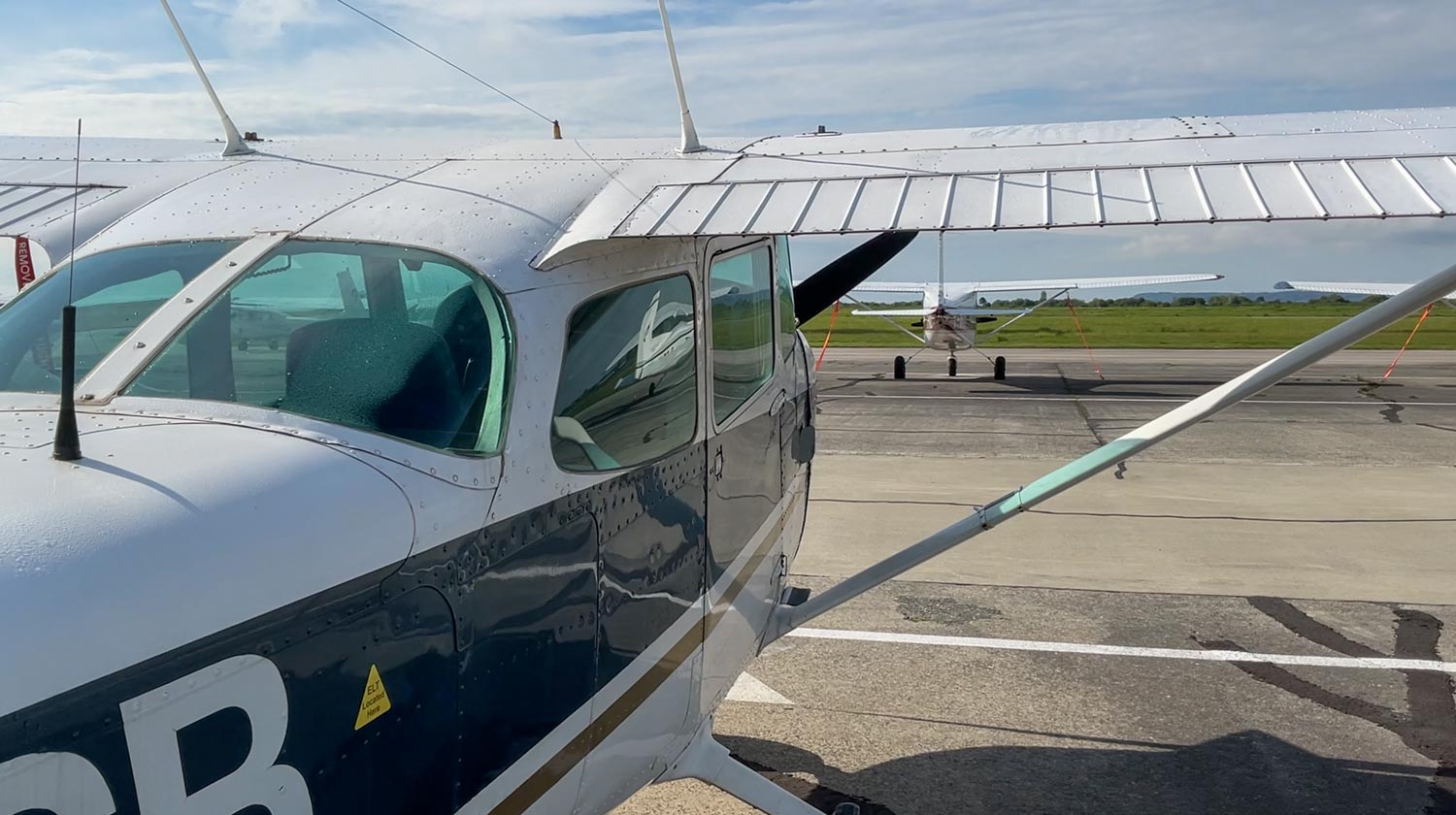
No amount of research replaces an in-person visit. When you tour a school, you’re looking for things that don’t appear on a website: whether the aircraft on the ramp look well-maintained, whether the staff are attentive and organized, whether the facility feels like a professional training environment. Transport Canada’s Flight Training Units Search also lets you verify any school’s FTU status and approval categories directly before or after your visit, which is a useful cross-reference.
Useful questions to ask during a visit include:
- How long has the school been operating?
- How many students are currently enrolled?
- What is the typical timeline from zero experience to a completed PPL or CPL?
- Are students assigned a primary instructor?
- What is the breakdown of instructor rating classes on staff?
- How is scheduling handled when weather causes cancellations?
The quality and specificity of the answers matter as much as the answers themselves.
Taking a familiarization flight before committing to a full program is also worth considering. A fam flight gives you a direct sense of the aircraft, the instructor’s communication style, and the training environment — all of which are difficult to evaluate from the outside.
A Few Things That Matter Less Than They Seem
Location is often the first filter people apply, but it’s worth questioning how much weight it deserves. If the closest school to you is significantly weaker in fleet, instructors, or training environment than one that requires a longer commute, the difference in training quality is likely to matter more than the extra travel time — particularly if you’re training toward a commercial licence that will require years of investment.
Price alone is a similarly unreliable filter. The cheapest school by hourly rate is rarely the cheapest path to a licence when you account for the factors that actually determine how quickly and effectively a student progresses.
Pacific Flying Club has been training pilots at Boundary Bay Airport since 1965, operating the largest fleet in British Columbia within one of Canada’s busiest general aviation training environments. If you’re comparing schools and want to see what a well-established training operation looks like in practice, a familiarization flight is a straightforward way to get a first-hand sense of the aircraft, the instructors, and the environment before making any commitments.